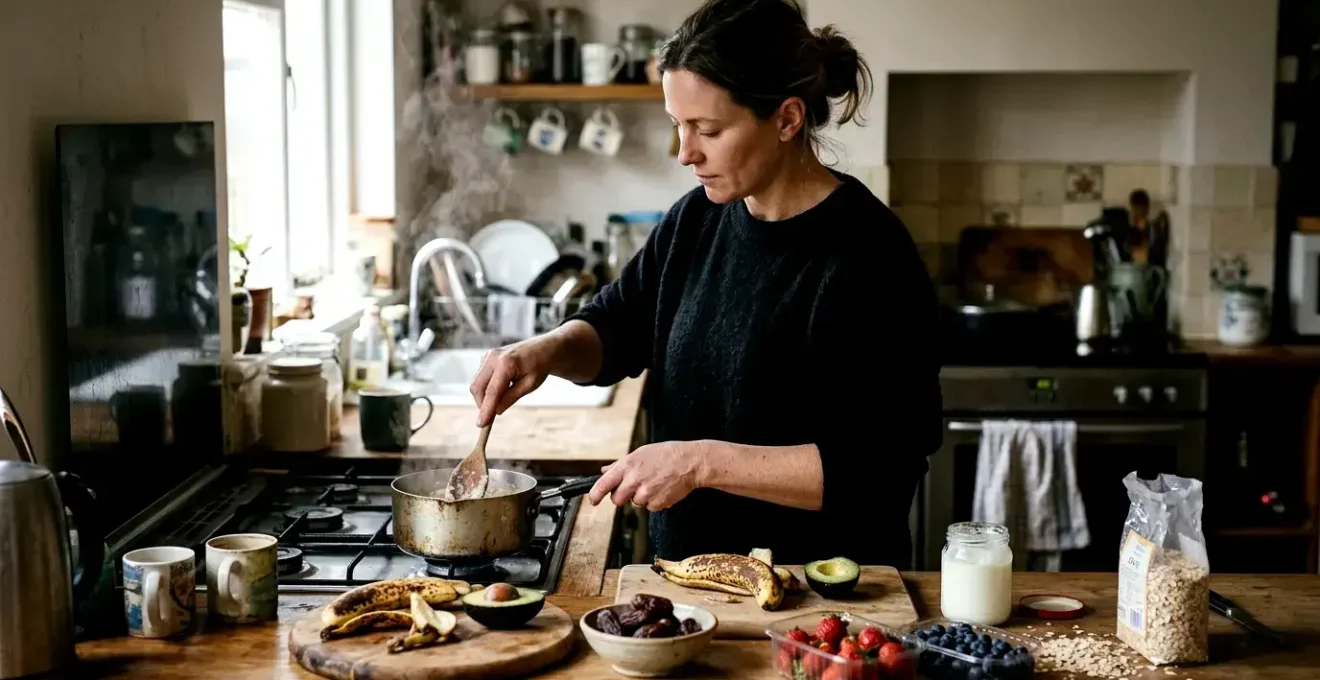
A brown-spotted banana can make plain porridge taste noticeably sweeter. A handful of berries can brighten natural yoghurt, while a couple of chopped dates can bring a rich, almost toffee-like flavour to homemade oat bars. These everyday ingredients offer ways to enjoy sweetness without automatically reaching for a spoonful of sugar.
The secret is choosing the right fruit, using it at the right stage of ripeness and understanding how its texture changes a recipe. Mashed banana adds moisture as well as sweetness. Dates offer concentrated flavour and a sticky consistency. Berries contribute freshness and acidity, which can make a breakfast feel more interesting without making it intensely sweet.
Natural sweetness is not the same as a sugar-free diet. Fruit contains naturally occurring sugars, and concentrated fruit ingredients still contribute energy. The aim is to enjoy satisfying food, make better use of whole ingredients and reduce unnecessary added sugar without treating sweetness itself as something to avoid.
Natural sweetness: the essentials
- Choose ripe fruit for fuller flavour, but remember that some fruits stop ripening once picked.
- Match the ingredient to the recipe: banana for creaminess, dates for concentrated sweetness and berries for freshness.
- Build satisfying breakfasts around fruit, fibre, protein and some fat rather than sweetness alone.
- Why Does Ripe Fruit Taste Much Sweeter Than the Same Fruit Earlier?
- How Can You Add Natural Sweetness to Porridge or Yoghurt Without Extra Sugar?
- Banana, Dates or Berries: Which Natural Sweetener Works Best in Different Recipes?
- When Can Naturally Sweet Ingredients Make a Snack More Energy-Dense Than Expected?
- When Should You Cook or Freeze Overripe Fruit Instead of Throwing It Away?
- How Can You Use Fresh Berries in Three Different Meals Before They Go Soft?
- Which Low-Sugar Labels Can Still Hide an Unbalanced Meal or Snack?
- What Makes a Breakfast Substantial Enough for a Long or Active Morning?
Why Does Ripe Fruit Taste Much Sweeter Than the Same Fruit Earlier?
Ripe fruit often tastes sweeter because its carbohydrates, acidity, aroma and texture change during ripening. In bananas, enzymes break down stored starch into sugars, making the flesh noticeably sweeter. However, different fruits ripen in different ways, and some do not become sweeter after picking. Understanding these differences helps you choose fruit that gives recipes more flavour without extra sugar.
Unripe bananas contain considerable amounts of starch. As they ripen, much of that starch is broken down into smaller sugars, including glucose, fructose and sucrose. Research into banana carbohydrate metabolism documents this transformation in an original study on carbohydrate changes during banana ripening.
This does not mean that the amount of sugar stays constant throughout ripening. Rather, the balance between starch and sugars changes substantially. Meanwhile, changes in acidity, aroma and the softening of the flesh influence how sweet the banana tastes.
That distinction matters when preparing breakfast. A firm, greenish banana may contribute body to a smoothie but relatively little sweetness. A soft, heavily spotted banana can blend into porridge or muffin batter and provide a much sweeter flavour.
Not every fruit continues ripening after harvest. Bananas, pears and peaches can continue developing their eating qualities after picking. Strawberries, grapes and many other berries generally do not undergo the same post-harvest ripening process. A pale, underripe strawberry is unlikely to become properly sweet simply because it spends several days in the fruit bowl.
Ripeness can be assessed through several sensory clues:
- Touch: gentle softness can signal ripeness in pears, peaches and bananas, although excessive softness may indicate deterioration.
- Smell: a characteristic fruity aroma can help identify ripe peaches and some pears.
- Weight: a fruit that feels substantial for its size may be appealing, but weight alone cannot establish ripeness or sweetness.
- Colour: useful for some varieties, but unreliable as a universal test because natural skin colours differ.
Use the clues appropriate to the fruit rather than relying on a single test. For berries, choosing attractive, ripe-looking fruit at purchase is generally more useful than expecting further sweetening at home.
Once fruit reaches a pleasant level of ripeness, the next decision is how to incorporate that sweetness into everyday foods without overwhelming their natural flavours.
How Can You Add Natural Sweetness to Porridge or Yoghurt Without Extra Sugar?
To sweeten porridge or yoghurt naturally, start with an unsweetened base and add ripe banana, chopped dates or berries. Mash banana into porridge as it cooks, stir date paste through the finished oats, or let frozen berries soften and release their juices. Add a modest amount first, taste, then adjust until the flavour feels satisfying.
Timing changes the experience. Banana becomes softer and integrates more thoroughly when heated with oats and milk. Its flavour can seem richer and rounder, although ordinary simmering in liquid should not be confused with the browning and caramelisation associated with higher-temperature cooking.
For one bowl of porridge, try mashing half a ripe banana into the cooking liquid before adding or finishing the oats. Stir as the mixture thickens so the banana spreads evenly rather than remaining in separate pieces.
Frozen raspberries, blueberries or strawberries work differently. Added near the end of cooking, they soften and release colourful juices. Their acidity contrasts with the creamy oats, creating flavour without needing to make the entire bowl intensely sweet.
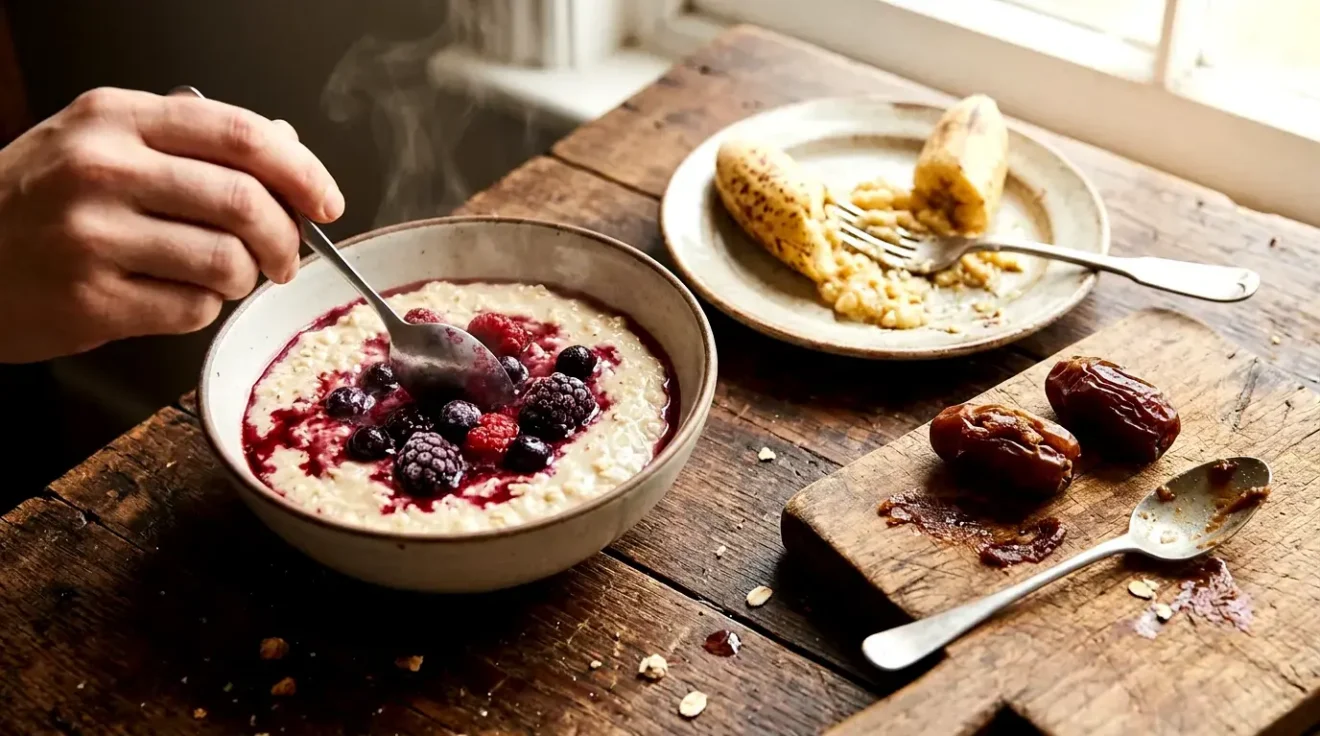
Dates can be softened in warm water and mashed into a paste. Stir a little through cooked porridge for a more concentrated, caramel-like flavour. Starting with one or two dates is a practical experiment, not a recommended portion for everyone.
For cold yoghurt, use the same principle without cooking. Crush a few raspberries into plain yoghurt, fold through sliced ripe banana, or scatter finely chopped dates over the surface. Leaving some fruit in pieces creates a contrast between fresh, tart and sweet mouthfuls.
Sweetness perception is influenced by temperature, aroma and texture, but heating does not automatically increase sweetness in every recipe. Taste at the temperature at which the food will actually be eaten before deciding whether it needs anything else.
The NHS advice on sugar and nutrition labels recommends choosing unsweetened breakfast cereals and adding fruit for sweetness. This also avoids assuming that a commercially flavoured porridge mix is low in added sugar merely because it contains oats.
A five-step naturally sweet breakfast test
- Choose plain oats or unsweetened yoghurt and check the ingredients list. Your result is a base without an added sweetening ingredient.
- Select one ripe fruit ingredient and prepare it by mashing, chopping or crushing. Your result is a ready-to-use portion.
- Add it at the appropriate stage of cooking or serving. Your result is a bowl with the sweetness distributed as intended.
- Taste the finished breakfast before adding anything else. Your result is a clear decision about whether the flavour needs adjusting.
- Record the combination you enjoyed and whether the texture was creamy, fruity or chewy. Your result is a repeatable breakfast idea.
The most useful ingredient depends on the food being prepared. A fruit that blends beautifully into porridge may be less suitable for a crisp biscuit or a fresh dessert.
Banana, Dates or Berries: Which Natural Sweetener Works Best in Different Recipes?
Banana works best when a recipe needs moisture, body and gentle sweetness. Dates are useful when a concentrated sweet flavour and sticky binding texture are desirable. Berries suit yoghurt, fresh desserts and toppings where acidity balances sweetness. None is universally superior: the best choice depends on whether the recipe needs creaminess, structure, intensity or freshness.
Consider the finished texture before deciding what to substitute. Fruit brings water, fibre, acidity and flavour alongside its sugars, so replacing table sugar or syrup can change much more than sweetness.
| Consideration | Banana | Dates | Berries |
|---|---|---|---|
| Best uses | Smoothies, porridge, soft muffins | Oat bars, spreads, energy bites | Yoghurt, compote, fresh toppings |
| Flavour | Sweet, mellow and distinctive | Rich, concentrated and toffee-like | Fruity, tart and mildly sweet |
| Texture contribution | Moisture, softness and body | Stickiness and binding | Juiciness, colour and freshness |
| Main limitation | Pronounced banana flavour and extra moisture | Concentrated sugars and energy | Acidity and variable sweetness |
| Practical adjustment | Review other liquid ingredients | Adjust added water and binding | Drain excess juice where necessary |
For homemade muffins, mashed ripe banana can replace some of the added sugar while also supplying moisture. Because it changes the consistency of the batter, the milk or other liquid may need reducing. A direct gram-for-gram swap is not reliable across recipes, especially where sugar contributes to browning, aeration or structure.
Date paste is particularly useful in no-bake oat bars. Soften pitted dates, blend them into a thick paste and combine with oats, nuts or seeds. The paste provides sweetness and helps ingredients hold together. If replacing syrup in an existing recipe, adjust gradually because date paste contains solids and behaves differently from a pourable liquid.
Berries are often better when the aim is flavour contrast rather than maximum sweetness. A spoonful of crushed raspberries can make plain yoghurt more appealing through aroma, colour and tartness. Strawberries work well with soft cheese, while blueberries can be folded into oat-based bakes.
The form of the fruit also matters. Whole or chopped fruit retains its natural structure and encourages chewing. Juice and syrups lack that intact structure, while blended or puréed fruit is different again.
UK guidance distinguishes sugars naturally contained within intact fruit from free sugars in fruit juice and purées. Therefore, replacing white sugar with fruit juice concentrate is not nutritionally equivalent to adding whole berries or sliced banana.
Texture, portion size and the other ingredients in a meal also affect how filling it feels. A whole banana eaten alongside yoghurt is a different eating experience from a sweetened drink, even when both taste fruity.
Fruit-based sweetness can make homemade snacks appealing, but concentration and portion size become particularly important when dates or dried fruit are involved.
When Can Naturally Sweet Ingredients Make a Snack More Energy-Dense Than Expected?
Naturally sweet snacks can become energy-dense when they contain substantial amounts of dried fruit, date paste, nuts or other concentrated ingredients. Drying removes much of a fruit’s water without removing its sugars in the same proportion. A small snack can therefore provide more energy than its size suggests, even if it contains no added table sugar.
A fresh grape contains considerable water, whereas a raisin is much more concentrated. Similarly, a modest-looking handful of dates can contain a larger quantity of fruit sugars than expected when compared with an equivalent weight of fresh berries.
The nutritional value of these foods is not determined by their sugar content alone. Dried fruit can contribute fibre and other nutrients, while nuts and seeds offer fats, protein and different textures. However, combining several concentrated ingredients in a small homemade bar does not automatically make it a light snack.
30 g
The NHS portion of dried fruit that counts as one of your 5 A Day, compared with 80 g of fresh, canned or frozen fruit. This is a dietary portion comparison, not a statement that the foods contain equal calories or sugar.
The NHS also advises eating dried fruit as part of a meal rather than between meals because of its potential effect on dental health. Sticky dried fruit can remain in contact with teeth, making the eating occasion relevant as well as the ingredient itself.
A useful approach is to decide what the snack needs to accomplish. If lunch is several hours away, a small portion of dried fruit alongside plain yoghurt or nuts may provide a more varied and substantial eating experience than dried fruit alone.
For a long walk, cycle ride or other demanding activity, compact energy can be convenient. A date-and-oat bar is easy to carry and may suit someone who needs portable fuel. During a largely sedentary office afternoon, a bowl of fresh fruit with yoghurt may offer more volume and a different balance of nutrients.
Energy density is not inherently a problem. It becomes important when portions are chosen without considering appetite, activity or what else has been eaten. Homemade ingredients still contribute energy, and there is no need to label a food unhealthy simply because it is concentrated.
Keeping fruit fresh and using it at the right stage can also offer a wider range of textures and serving sizes, while reducing the temptation to turn every leftover into a concentrated snack bar.
When Should You Cook or Freeze Overripe Fruit Instead of Throwing It Away?
Cook very ripe fruit when it is safe to eat but too soft for enjoyable fresh eating. Freeze sound fruit when you want to preserve it for smoothies, baking or future breakfasts. Discard fruit showing mould, clear spoilage or signs that it is no longer safe. Cooking and freezing are useful ways to reduce waste, but neither reliably makes spoiled fruit safe.
A heavily spotted banana with soft flesh may be ideal for banana bread or porridge. Strawberries that have lost some firmness but remain sound can be cooked into a quick compote. Pears that have become very soft can be simmered with a little water until they break down into a spoonable topping.
Cooking can change the perceived sweetness by softening fruit, reducing acidity and, where water evaporates, concentrating flavours. A homemade compote does not necessarily need added sugar if the original fruit is ripe and flavourful.
When using fruit purée in baking, remember that it supplies water and fruit solids as well as sugars. It can replace some sweetening ingredients in suitable recipes, but it will not reproduce the role of sugar in every cake or biscuit.

Freezing is especially useful when fruit is ripe but there is more than can be eaten promptly. Bananas can be peeled and cut into chunks, while suitable berries can be prepared for freezing and later used in porridge or cooked dishes.
For individually frozen pieces, spread prepared fruit across a lined tray so the pieces are not touching. Freeze until firm, then transfer to a suitable freezer bag or container. This prevents the pieces from immediately forming one solid mass and makes it easier to remove only what is needed.
Frozen banana chunks can be blended into a thick, soft dessert sometimes called “nice cream”. Depending on the blender and fruit, a little liquid may be needed to help the mixture move. It will have a different texture and nutritional profile from conventional ice cream.
Food safety comes first. Fruit with visible mould should not be treated as a suitable ingredient for smoothies or baking, particularly soft fruit in which contamination may extend beyond the visible patch. Fruit showing unusual fermentation, leakage or other spoilage should also be discarded rather than preserved.
Preservation has nutritional limits. Vitamin C and some other nutrients may decline with storage or heat exposure, depending on the fruit and preparation method. Freezing can slow deterioration but cannot reverse losses that have already occurred.
For especially delicate fruit such as berries, using a punnet across several meals before it deteriorates is often simpler than rescuing the entire batch at the last moment.
How Can You Use Fresh Berries in Three Different Meals Before They Go Soft?
Use firm berries in a fresh breakfast on the first day, add the remaining sound berries to a salad or snack on the second, and turn slightly softened but unspoiled berries into a quick topping on the third. This flexible three-meal rotation makes use of changing textures while preserving the berries’ fresh flavour and natural sweetness.
Berries are delicate because their tissues contain a high proportion of water and continue changing after harvest. Moisture loss, enzymatic activity and handling damage can gradually soften them, even when they are refrigerated.
The following example is a meal-planning idea, not a guaranteed three-day storage period. Actual freshness depends on the condition of the fruit when purchased and how it is stored.
- First meal — breakfast: add firm strawberries and blueberries to plain Greek-style yoghurt with oats, or place sliced strawberries beside scrambled eggs and wholemeal toast for a savoury-sweet contrast.
- Second meal — lunch or snack: scatter sound berries over a salad with leafy greens and soft cheese, or serve them alongside a small portion of nuts and yoghurt.
- Third meal — a fruit topping: gently cook slightly softened, unspoiled berries into a quick sauce, or crush them with a fork and spoon them over toast or porridge.
To extend freshness, refrigerate berries promptly and avoid leaving them in trapped moisture. Washing just before use is generally preferable because excess surface moisture can encourage spoilage during storage.
Inspect the punnet regularly. If a berry becomes mouldy, remove and discard it immediately, together with any neighbouring berries that show mould or deterioration. Examine the remaining fruit carefully rather than assuming that the entire punnet is safe because only one berry appears visibly affected.
Freezing sound berries before they spoil is another option when there is no realistic opportunity to eat them soon. Frozen berries work particularly well in cooked porridge and fruit sauces.
One advantage of berries is their combination of moderate sweetness and acidity. Strawberries complement mild cheeses, raspberries brighten creamy foods, and blueberries add juicy bursts of flavour to cereals.
This versatility means fruit does not have to appear only as a sweet dessert. A salad with berries, greens and a savoury dressing can taste balanced without the need for additional sweet dressing ingredients.
Buying fruit thoughtfully is one part of making satisfying meals. Understanding the claims on packaged breakfast products is another, especially when labels suggest that a snack is healthier simply because it contains less added sugar.
Which Low-Sugar Labels Can Still Hide an Unbalanced Meal or Snack?
Labels such as “no added sugar”, “naturally sweetened” and “fruit-sweetened” do not guarantee that a food is low in total sugars, low in energy or nutritionally balanced. A product may contain concentrated fruit ingredients, refined starches or substantial amounts of fat while presenting itself as a lighter choice. Checking the nutrition table, ingredients and portion size gives a clearer picture.
In England, packaged foods commonly display a nutrition declaration including a line headed “of which sugars”. This figure represents total sugars, including those naturally present in milk and fruit as well as free sugars.
That distinction explains why plain, unsweetened yoghurt can display a sugar value even though no sugar has been added. Much of its sugar may be naturally occurring lactose.
Conversely, a snack marketed as fruit-sweetened might contain dates, fruit juice concentrate or fruit purée. Those ingredients can contribute substantial sweetness, and some processed forms contain free sugars despite their fruit-derived origin.
The wording also matters. “No added sugar” is a regulated type of nutrition claim with conditions for its use; it is not a promise that a food contains no sugars or few calories. Broader marketing language such as “naturally sweetened” should not be treated as a nutritional assessment.
For context, the NHS identifies foods containing more than 22.5 g of total sugars per 100 g as high in sugar, and those containing 5 g or less per 100 g as low in sugar. These are reference points for total sugar concentration, not measures of overall food quality or free sugar intake.
Some manufacturers use sweeteners, modified starches or added fibres when reformulating products with less sugar. Their presence is not automatically a nutritional disadvantage. What matters is the overall formulation, nutritional contribution and suitability for the meal.
A practical three-part comparison can help:
- Read the sugars figure: examine total sugars per 100 g and per portion, remembering that this does not reveal the exact amount of free sugars.
- Review the ingredients: look for sugar, syrups, concentrates, fruit pastes and other sweetening ingredients, noting where they appear in the list.
- Assess the whole snack: consider fibre, protein, fat, portion size and whether it will be satisfying alongside the rest of the meal.
For example, compare a hypothetical sweetened oat bar with plain yoghurt, whole berries and oats. The bar may be convenient, while the yoghurt combination may provide more volume and protein. Without the products’ actual labels and portion sizes, however, it would be misleading to declare either option nutritionally superior.
Ultimately, the most useful breakfast decision is not simply how little sugar a food contains, but whether the combination provides enough nourishment and satisfaction for the morning ahead.
Key takeaways for building a satisfying breakfast
- Start with the demands of the morning: a long or active day may call for a more substantial meal.
- Use fruit to shape flavour, then choose other ingredients for texture, protein, fibre and staying power.
- Judge the complete breakfast rather than treating either sweetness or a low-sugar claim as the deciding factor.
What Makes a Breakfast Substantial Enough for a Long or Active Morning?
A substantial breakfast combines enough food to match your appetite and plans with ingredients that contribute fibre, protein and some fat. Wholegrain oats or bread provide carbohydrate and fibre, yoghurt or eggs add protein, and nuts or seeds offer fats and texture. Naturally sweet fruit makes the meal enjoyable, but sweetness alone does not determine how filling it will be.
Consider a bowl containing only a small portion of fruit. It may taste delicious and contribute useful nutrients, yet it might not provide sufficient energy or protein for someone facing several hours of physical activity.
Adding oats, yoghurt and nuts changes the structure of that meal. The oats provide carbohydrate and fibre, the yoghurt supplies protein, and the nuts contribute fat and additional texture. Together, these ingredients create a more varied breakfast than fruit alone.
Protein, fat and fibre can all influence digestion, appetite and fullness, although their effects depend on quantities, food structure and the individual. It would be too simplistic to claim that every fruit-based breakfast causes a rapid rise and fall in blood sugar or inevitably leads to early hunger.
Two combinations illustrate how natural sweetness can fit into a more complete breakfast.
Warm banana and peanut butter porridge: cook oats with milk or a suitable alternative, stirring in half a mashed ripe banana. Finish with a spoonful of unsweetened peanut butter and a scattering of seeds. The banana provides sweetness and softness, while the oats and toppings contribute substance and contrasting textures.
Greek-style yoghurt with berries, dates and oats: spoon plain yoghurt into a bowl and add fresh berries, a little chopped date and oats. The berries provide freshness, the dates supply richer sweetness, and the yoghurt and oats help make it a more rounded meal.
Portions should reflect personal needs rather than a fixed ideal breakfast size. Someone preparing for a physically demanding morning might prefer a larger serving of oats, an additional slice of wholemeal toast or more protein-rich food. Someone with a lighter appetite may prefer a smaller bowl and another eating occasion later.
There is also no need to insist on a particular fruit or remove all added sugar. A breakfast that is enjoyable, practical and nutritionally varied is often easier to maintain than one built around rigid restrictions.
In the United Kingdom, choosing whole fruit and unsweetened cereal also fits the NHS approach to reducing free sugar consumption. The practical goal is to make naturally flavourful ingredients the first option, not to eliminate sweetness from everyday eating.
For your next breakfast, choose one unsweetened base, one naturally sweet ingredient and a source of protein or fibre. Taste the combination, adjust the portion to your morning and keep the version you genuinely enjoy. Small, repeatable changes can make reducing reliance on added sugar feel like an improvement rather than a restriction.
Does natural fruit sugar count towards the NHS free sugar limit?
Sugars naturally contained within the cellular structure of intact fruit are not classified as free sugars. Sugars in fruit juice and purées are treated differently. The NHS recommends that adults consume no more than 30 g of free sugars per day, so the form of fruit and the other sweetening ingredients in a product matter.
Can cinnamon or vanilla make breakfast taste sweeter without adding sugar?
Cinnamon and vanilla can contribute aromas commonly associated with sweet foods, making porridge or yoghurt taste more appealing without directly adding sugar. They do not function as sugar substitutes in every recipe, and the effect on perceived sweetness varies with the food and personal taste.
Are frozen berries a useful alternative to fresh berries?
Yes. Frozen berries can be convenient for porridge, compote and other cooked dishes, particularly when fresh berries are unavailable or likely to spoil. They also count towards the UK’s 5 A Day recommendation. Follow the packaging instructions for safe preparation, including any cooking requirements.
Is homemade fruit compote always healthier than jam?
Not necessarily. Homemade compote can be prepared without added sugar and allows control over the ingredients, but nutritional differences depend on the recipe and serving size. Compote and jam also serve different culinary purposes, and ordinary fruit compote should not be assumed to have the same storage stability as properly prepared preserves.
Can a naturally sweet breakfast still include a little honey or sugar?
Yes. A balanced approach does not require eliminating every added sweetener. Honey and table sugar both contribute free sugars, so the amount and frequency matter. Trying ripe fruit first may make additional sweetening unnecessary, but enjoying a little added sweetness occasionally can still fit within an overall varied diet.