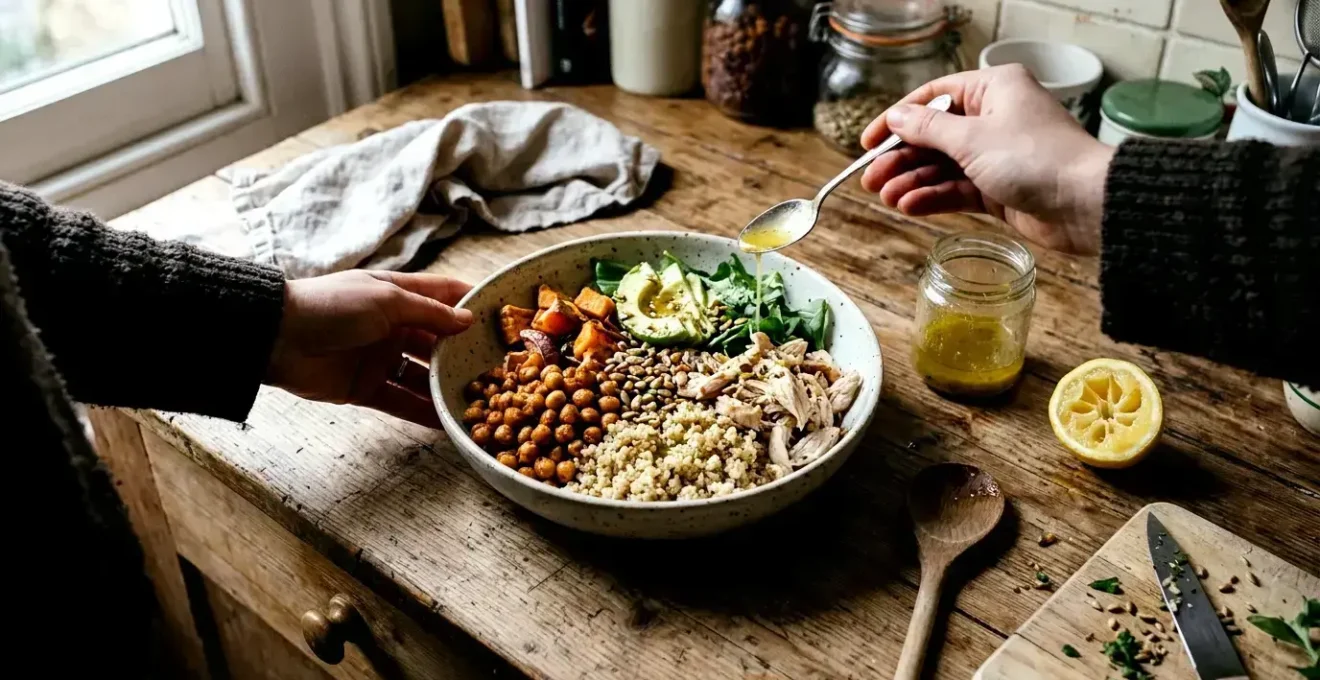
A balanced grain bowl needs more than a generous scoop of rice and a handful of colourful vegetables. To work as a complete meal, it should combine a satisfying grain base, a meaningful source of protein, plenty of vegetables, some healthy fat and enough flavour and texture to make every forkful enjoyable.
The easiest approach is to think in components rather than follow a rigid recipe. Start with quinoa, brown rice or couscous, add chicken, eggs, tofu or pulses, then build around seasonal vegetables. A creamy element, a sharp dressing and something crunchy bring everything together.
This flexible method works for quick dinners, packed office lunches and vegetarian meal prep. It also makes good use of ingredients already in the fridge, from leftover roast vegetables to half a tin of chickpeas. The aim is not to achieve perfect nutritional proportions in every bowl, but to assemble something varied, practical and filling.
Balanced grain bowls at a glance
- Build around five components: grains, protein, vegetables, a creamy or binding ingredient, and a flavourful finishing layer.
- Choose grains according to preparation time and serving temperature, then add contrasting textures to make the meal more enjoyable.
- For packed lunches, separate wet ingredients and dressing, cool cooked grains safely, and add delicate toppings just before eating.
- Why Can a Grain Bowl Feel Unsatisfying Even When It Looks Healthy?
- How Can You Build a Grain Bowl From Five Simple Components?
- Quinoa, Brown Rice or Couscous: Which Base Fits Your Grain Bowl Best?
- Which Meal-Prep Mistakes Make Grain Bowls Watery by Lunchtime?
- When Should You Add Dressing, Herbs and Crunchy Toppings to a Grain Bowl?
- How Can You Build a Balanced Plant-Based Bowl From Four Simple Components?
- How Can You Add Three Contrasting Textures to a Grain Bowl Without Extra Complexity?
- How Can Olive Oil and Lemon Turn Simple Ingredients Into a Complete-Tasting Meal?
Why Can a Grain Bowl Feel Unsatisfying Even When It Looks Healthy?
A grain bowl can look healthy but feel unsatisfying when most of its volume comes from grains and lightly dressed vegetables, with little protein, fat or texture. Although these ingredients contribute useful nutrients, the combination may not feel substantial enough for a main meal. Adjusting the balance of components and improving the seasoning usually makes a more satisfying bowl.
Imagine a lunch consisting of a large portion of plain couscous, steamed courgette and a few spinach leaves. It contains starchy food and vegetables, but lacks an obvious protein-rich ingredient, a source of fat and a contrasting bite. The result can resemble a substantial side dish rather than a complete lunch.
Three practical factors deserve attention:
- Protein: chicken, eggs, fish, tofu, lentils or chickpeas make the protein component more substantial. The appropriate amount depends on the ingredients, appetite and individual needs.
- Healthy fat: olive oil, avocado, nuts or seeds add richness and help carry flavour. A modest portion is generally enough.
- Texture: crunchy vegetables, toasted seeds or crisp chickpeas give the bowl contrast and make eating it more interesting.
Protein and dietary fat can contribute to fullness, while texture influences the eating experience. However, crunchy ingredients are not a scientifically established requirement for satiety, and hunger depends on more than how a bowl looks. Total energy intake, portion size, fibre and individual appetite all matter.
A useful visual starting point is to give protein approximately a quarter of the bowl and fill much of the remaining space with grains and vegetables. This is a flexible kitchen heuristic, not a clinical nutritional rule. A handful of nuts, for example, cannot be assessed in the same way as a quarter-bowl portion of tofu.
If hunger returns unusually quickly, review the actual ingredients rather than treating two hours as a pass-or-fail test. Was the protein portion meaningful? Was the bowl very small? Did it contain enough energy for the activity ahead?
Flavour also matters. Unseasoned grains, plain vegetables and undressed leaves can make a meal feel unfinished. Salt used appropriately, lemon juice, spices, herbs and a well-balanced dressing give each component a clearer purpose.
The NHS Eatwell Guide recommends variety across vegetables, starchy foods, protein sources and small amounts of unsaturated oils. It also explains that dietary balance can be achieved over a day or week, rather than in every individual meal.
Once those gaps are identified, assembling a satisfying bowl becomes much easier with a repeatable five-component structure.
How Can You Build a Grain Bowl From Five Simple Components?
Build a balanced grain bowl by combining five components: a cooked grain, a substantial protein source, vegetables, a creamy or binding ingredient, and a finishing layer of dressing and toppings. Keep grains as the foundation rather than the overwhelming majority, and vary the other ingredients according to what is available. This method works for hot meals and cold lunches alike.
Start with the grain because it determines much of the cooking time and influences the bowl’s flavour. Brown rice pairs naturally with roasted vegetables and warm protein, whereas cooled quinoa works well with herbs, cucumber and a sharp vinaigrette.
Next, give protein a clearly defined place. As a visual starting point, around a quarter to a third of the bowl can be devoted to the protein component, although the actual protein supplied will vary considerably between chicken, tofu, eggs and pulses.
Use vegetables to provide colour, freshness and variety. Combining cooked and raw vegetables is particularly effective: roasted peppers with fresh cucumber, for example, or warm broccoli with shredded carrot.
The fourth component brings the ingredients together. Feta, a boiled egg, avocado or hummus can provide richness and a softer texture. Some ingredients overlap with the protein or fat component, which is perfectly acceptable.
Finish with lemon dressing, yoghurt sauce, tahini, herbs, seeds or another topping that complements the chosen ingredients. This final layer should season the meal rather than dominate its volume.
The same architecture supports several distinct combinations:
| Component | Mediterranean | Japanese-inspired | Middle Eastern |
|---|---|---|---|
| Grain | Quinoa | Brown rice | Couscous |
| Protein | Grilled chicken | Tofu or salmon | Chickpeas |
| Vegetables | Tomatoes, cucumber, roasted peppers | Edamame, carrot, broccoli | Roasted aubergine, cucumber |
| Binding ingredient | Feta | Avocado | Hummus |
| Finishing layer | Lemon, olive oil, oregano | Soy, sesame, spring onion | Lemon, tahini, parsley |
All three combinations use ingredients commonly available in British supermarkets. Frozen vegetables, tinned pulses and ready-cooked components can simplify preparation without changing the basic method.
There is also no need to cook everything from scratch. Good Food’s bulgur and quinoa lunch-bowl recipe demonstrates how the same grain base can support different toppings. One version uses avocado, tomatoes and rocket; another combines chickpeas, beetroot, orange and toasted pine nuts.
Build your next bowl in five practical steps
- Choose one grain and prepare a portion appropriate to your appetite. Your first result is a cooked base ready to serve or cool safely.
- Select one principal protein ingredient. Your bowl now has a clearly identifiable protein component.
- Add at least two vegetables, preferably prepared differently. Check that the finished bowl contains contrasting colours and textures.
- Include one creamy or binding ingredient, such as hummus or avocado. Check that it complements rather than overwhelms the other ingredients.
- Mix a small dressing and choose a final topping. Taste the assembled bowl and adjust its acidity, seasoning or crunch before serving.
The structure stays consistent across cuisines, but the grain itself determines whether the bowl is best suited to a quick meal, a cold lunch or a warm dinner.
Quinoa, Brown Rice or Couscous: Which Base Fits Your Grain Bowl Best?
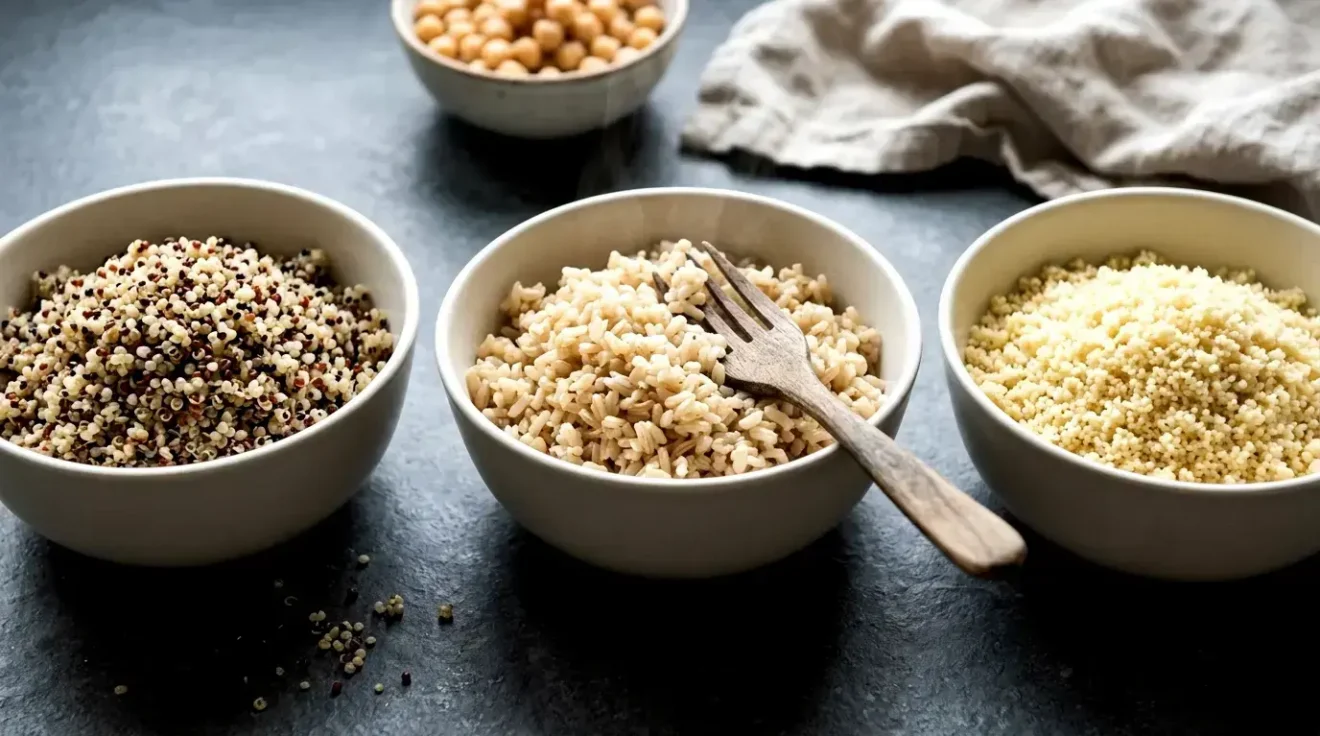
Choose quinoa for a light, firm-textured base that works well cold; brown rice for a nutty, substantial bowl served warm; and couscous when speed matters most. Each can form part of a balanced meal, but their cooking requirements, texture and suitability for packed lunches differ. The best choice depends on how and when the bowl will be eaten.
Quinoa has small grains with a gentle bite and a slightly earthy flavour. It pairs especially well with fresh herbs, legumes and lemon-based dressings. Its protein contains all nine essential amino acids, although the amount supplied by a normal serving does not automatically make the entire bowl protein-rich.
Brown rice has a firmer, chewier structure and a distinctive nutty taste. It suits roasted vegetables, beans and warm protein. It also absorbs strongly flavoured sauces well, making it useful for bowls with soy, ginger or spiced dressings.
Standard couscous cooks quickly because it is a semolina wheat product, essentially a form of pasta rather than an intact whole grain. Wholewheat couscous is available for readers seeking a higher-fibre option. Pearl couscous has larger, pasta-like pieces and generally requires longer cooking than instant couscous.
The following comparison is intended for everyday cooking. Times vary by brand, preparation method and product, so packet instructions take priority.
| Criterion | Quinoa | Brown rice | Couscous |
|---|---|---|---|
| Typical preparation | Approximately 15–20 minutes of simmering | Often 25–40 minutes of cooking | Usually around 5 minutes of soaking for instant couscous |
| Texture | Light, separate, slightly firm | Chewy and hearty | Fine, soft and fluffy |
| Cold serving | Good with fresh vegetables and vinaigrette | Works when handled and chilled safely | Suitable when fluffed and lightly dressed |
| Warm serving | Works with roasted vegetables | Particularly suitable for substantial warm bowls | Excellent for rapid assembly |
| Budget consideration | Often a premium-priced option | Typically economical in larger bags | Often a convenient budget choice |
| Dietary consideration | Naturally gluten-free | Naturally gluten-free | Contains wheat gluten |
These are practical estimates rather than universal product specifications. Compare supermarket unit prices when cost matters, particularly between own-brand grains, ready-cooked pouches and dried products.
Protein quality is another consideration, especially for plant-based bowls. Quinoa supplies all essential amino acids, while rice and couscous can contribute to a varied protein intake alongside beans, lentils, tofu or dairy products. Grains and legumes do not need to be eaten together at precisely the same meal to obtain an adequate amino acid intake across a varied diet.
For a cold lunch with herbs and vegetables, quinoa is an easy starting point. For a comforting dinner with roasted squash and chicken, brown rice offers more chew. When dinner needs assembling quickly from tinned chickpeas and leftover vegetables, couscous is particularly convenient.
There is one important food-safety qualification with rice. Cooked rice must be cooled rapidly, refrigerated promptly and handled carefully. Reheating does not make rice safe if it has already been stored incorrectly.
Choosing the right grain solves the first practical problem; keeping the finished bowl fresh and safe until lunchtime requires a different set of decisions.
Which Meal-Prep Mistakes Make Grain Bowls Watery by Lunchtime?
Grain bowls usually become watery when dressing is added too early, moisture-rich vegetables release liquid, or warm ingredients are sealed before they have cooled appropriately. Dressed salad leaves can also wilt during storage. The solution is to separate wet and dry components, cool cooked foods safely, and assemble delicate ingredients as close to serving as practical.
Tomatoes, cucumber, cooked spinach and other moisture-rich vegetables can release liquid after cutting, salting or storage. When they sit directly against grains overnight, that liquid may be absorbed unevenly, leaving some ingredients soggy while others become clumped.
Dressings add another source of moisture. A sharp vinaigrette can improve a bowl immediately before serving, but the same dressing may soften cucumber, leaves and crunchy toppings during a long journey to work.
Condensation is also a common problem. Placing hot grains straight into a closed container traps steam, which settles as moisture on the lid and food. However, leaving cooked grains at room temperature for an extended period is not a safe solution.
For rice in particular, the Food Standards Agency‘s home food safety guidance recommends cooling it quickly, ideally within one hour, and refrigerating it promptly. Cooked rice should be consumed within 24 hours, reheated until steaming hot throughout and not reheated more than once.
This matters because uncooked rice can contain Bacillus cereus spores that survive cooking. Poor cooling and storage can allow bacterial growth and toxin production. The advice applies specifically to rice and should not be treated as an identical storage-life rule for every grain.
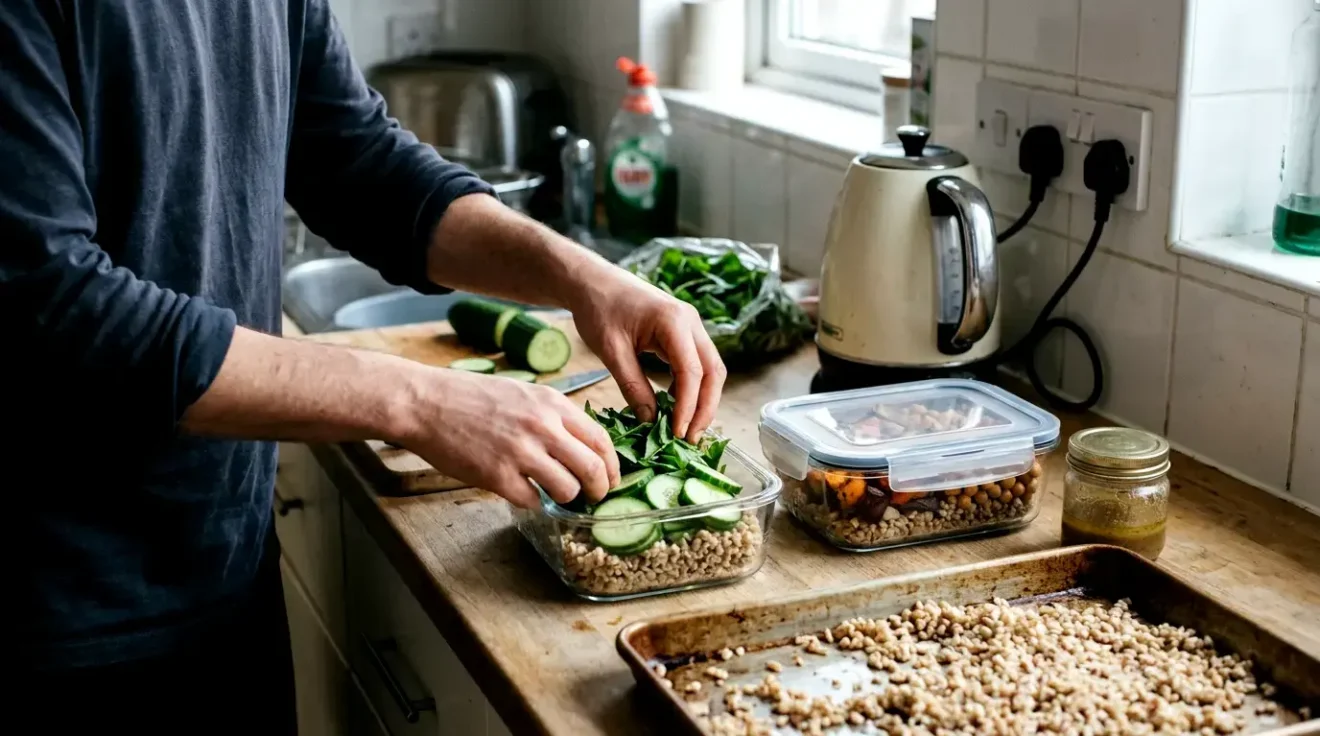
For a packed lunch, use a shallow container and organise the food into layers. Start with relatively dry ingredients such as cooled grains, roasted vegetables and drained chickpeas. Keep chopped tomatoes and other particularly wet ingredients separate where possible. Place undressed leafy vegetables above the heavier components, and carry the sauce in a leakproof jar.
Some ingredients are much easier to prepare ahead than others:
- More suitable for advance preparation: safely cooled grains, roasted vegetables, drained pulses and hard cheeses, provided each is stored according to its food-safety requirements.
- Better prepared close to serving: sliced avocado, dressed salad leaves, delicate herbs, cut tomatoes and fragile crispy toppings.
If the bowl contains ingredients intended to be served warm, pack fresh toppings separately. Reheat the cooked components thoroughly as appropriate, then add cucumber, herbs, avocado or crunchy seeds afterwards. Always observe the safe handling requirements of the most perishable ingredient.
For cold bowls, carry them chilled and use suitable refrigeration arrangements during transport and at work. Separating ingredients helps texture, but it does not replace temperature control.
Once the storage arrangement is right, the next improvement comes from knowing exactly when to season the grains and finish the toppings.
When Should You Add Dressing, Herbs and Crunchy Toppings to a Grain Bowl?
Add dressing to slightly warm grains when the bowl will be eaten immediately, allowing the seasoning to coat and flavour the base. For packed lunches, carry dressing separately and add it just before eating. Delicate herbs and fragile crunchy toppings are also best added at the end, while sturdier seeds and nuts can be prepared in advance.
The main distinction is between flavour absorption and texture preservation. Warm grains are receptive to a light coating of vinaigrette, especially when they have just been fluffed. This can prevent the bottom of the bowl tasting bland while all the dressing remains on the vegetables.
For an immediately served bowl, try dividing the dressing into two portions. Toss a small amount through the warm grains, then reserve the remainder for the assembled vegetables and protein. The result is two complementary layers of flavour rather than one heavily dressed surface.
For a packed lunch, the priorities change. Store the cooked grains safely, carry the dressing in a separate container and combine the ingredients at serving time. Even a well-balanced lemon vinaigrette can soften vegetables if left in contact with them for hours.
Crunchy toppings benefit from a similar distinction:
- Toasted pumpkin seeds, sunflower seeds and whole nuts are sturdy enough to prepare ahead, but should remain dry.
- Crispy chickpeas, toasted breadcrumbs and fried shallots lose their texture more readily when exposed to moisture.
- Soft herbs such as basil, mint and parsley retain a fresher aroma when torn or chopped shortly before serving.
For a quick rescue, warm softened nuts or seeds briefly in a dry frying pan, stirring and watching carefully to avoid burning. Let them cool before sprinkling them over the bowl. Toppings that have become damp through unsafe storage should not be rescued by toasting.
If a bowl has too much dressing, add a little more plain grain to absorb and distribute it, provided the portion remains appropriate for your appetite. Adding extra vegetables alone may introduce even more moisture.
When the dressing tastes sharp but the grain remains bland, check whether the base itself has been seasoned. A squeeze of lemon, a pinch of salt or herbs folded directly through the grain can make a noticeable difference.
There is no requirement to keep every ingredient completely separate. Roasted vegetables can be seasoned ahead, and some grains are deliberately marinated for cold salads. The key is to distinguish ingredients that improve after absorbing flavour from those that lose their intended texture.
With those finishing techniques established, the same bowl structure can be adapted to a fully plant-based meal without sacrificing substance or savoury flavour.
How Can You Build a Balanced Plant-Based Bowl From Four Simple Components?
Build a balanced plant-based grain bowl from four components: a grain, a substantial plant protein, varied vegetables and a fat-rich binding ingredient. Finish with seasoning or dressing as part of the final component. Beans, chickpeas, tofu, tempeh and edamame can replace animal-based protein sources, while hummus, tahini, avocado or nuts provide richness.
The four-component approach simplifies the five-part method by combining the creamy element and finishing layer. Rather than treating cheese, egg or yoghurt as separate ingredients requiring direct substitutes, use a plant-based ingredient that performs a similar culinary function.
For example, hummus provides a creamy texture while also contributing some protein. Tahini adds richness and a savoury sesame flavour. Avocado contributes a soft texture, and toasted nuts can provide both fat and crunch.
The protein component still deserves attention. A bowl of vegetables and couscous with a little tahini may taste delicious, but it will generally benefit from a meaningful serving of chickpeas, lentils or another protein-rich food.
Several combinations work particularly well:
- Rice and beans: brown rice, black beans, roasted peppers, avocado and lime dressing.
- Couscous and chickpeas: wholewheat couscous, chickpeas, roasted aubergine, cucumber and lemon tahini.
- Quinoa and tofu: quinoa, baked tofu, broccoli, shredded carrot and sesame dressing.
- Edamame bowl: a cooked grain, edamame, cabbage, cucumber and a miso-based sauce.
Combining grains and pulses contributes a variety of amino acids and nutrients, but plant proteins do not need to be paired at every individual meal. Tofu, tempeh and edamame are also practical options for building a protein-rich plant-based meal without relying on several separate pulses.
Plant-based eating requires attention to nutrients beyond protein. Iron from plant foods is generally less readily absorbed than iron from meat, while vitamin C-containing foods can help its absorption. A dressing containing fresh lemon juice alongside chickpeas, leafy greens or lentils is a useful pairing.
Vitamin B12 needs particular consideration. An entirely plant-based bowl made from unfortified whole foods cannot be assumed to supply adequate B12. Fortified foods or appropriate supplements may be necessary, depending on the wider diet. Calcium, iodine, selenium and vitamin D can also require attention.
The NHS guidance on vegan nutrition highlights these considerations and the importance of planning a varied diet. A satisfying plant-based bowl is one useful meal within that broader pattern, not a guarantee that every nutritional requirement has been met.
Finally, build in savoury depth. Roasted mushrooms, miso, soy sauce, nutritional yeast, toasted nuts and tahini can add the umami that might otherwise be supplied by meat or cheese. Roasting vegetables until lightly browned also brings a richer flavour than simply steaming every component.
A plant-based bowl can be just as varied and enjoyable as any other version; choosing contrasting textures makes that variety more obvious with every bite.
How Can You Add Three Contrasting Textures to a Grain Bowl Without Extra Complexity?
Use three contrasting textures to make a grain bowl more appealing: something creamy, something fresh or tender, and something crunchy. Each texture can come from an ingredient already in the kitchen. Hummus, cucumber and toasted seeds, for example, create contrast without a complicated recipe or a long shopping list.
Grains and cooked vegetables can share a similar soft texture, particularly after refrigeration or reheating. Adding a creamy sauce, fresh vegetable and dry crunchy garnish gives the meal more variety without changing its overall structure.
The three-texture method is a practical culinary technique rather than a scientifically required formula for fullness. Its value lies in making the bowl more enjoyable and helping individual ingredients stand out.
Each texture can be created in several ways:
| Texture | Easy options | Preparation tip |
|---|---|---|
| Creamy | Hummus, yoghurt, avocado, tahini sauce | Add as a spoonful or drizzle rather than coating everything heavily |
| Fresh or tender | Cucumber, tomatoes, herbs, roasted courgette | Mix raw and cooked vegetables for additional contrast |
| Crunchy | Toasted seeds, nuts, pita pieces, crisp chickpeas | Keep dry until serving |
Texture does not always require additional ingredients. The same chickpeas can be left whole, lightly smashed or roasted until their surfaces become crisp. Carrots can be shaved raw into ribbons or roasted into tender pieces. Tofu can be cubed, crumbled or browned in a frying pan.
Consider a simple grain bowl containing couscous, chickpeas and carrots. Instead of buying more toppings, roast some of the chickpeas, shave part of the carrot raw and stir a spoonful of hummus into the base. The ingredients remain similar, but their textures become more distinct.
Stale bread or pita can also become a useful topping. Tear it into small pieces and toast in a dry frying pan until crisp, turning frequently to avoid burning. This is an economical way to use suitable leftover bread while adding an extra layer of texture.
Meal preparation introduces one important limitation: crunch generally deteriorates when stored alongside wet ingredients. Pack toasted bread, seeds and crisp chickpeas in a separate dry container. Add them after reheating or just before eating.
If only one texture survives storage, prioritise it. A bowl with tender roasted vegetables and soft rice may need nothing more than a small packet of toasted pumpkin seeds to feel freshly assembled.
Texture provides contrast, but a bowl also needs an effective flavour connection between its ingredients. Lemon and olive oil offer one of the simplest ways to create it.
Key takeaways before finishing your bowl
- Season the grain itself as well as the ingredients placed on top; otherwise the base can remain bland.
- Use acidity to balance rich proteins, oily dressings and starchy grains without automatically adding more salt.
- For meal prep, keep the dressing separate and apply the finishing flavours when the bowl is ready to eat.
How Can Olive Oil and Lemon Turn Simple Ingredients Into a Complete-Tasting Meal?
Olive oil and lemon bring a grain bowl together by balancing richness with acidity. Olive oil coats the ingredients and carries flavour, while lemon juice brightens vegetables, pulses and grains. Used both to season the base and as a final dressing, the combination helps separate ingredients taste like one cohesive meal without requiring an elaborate sauce.
A grain bowl can become heavy when its main ingredients are starchy or rich. Rice, chickpeas, avocado and roasted vegetables are all appealing, but they benefit from a sharp element that refreshes the palate.
Lemon juice provides that contrast. It can make existing seasoning more noticeable and help balance the flavours of creamy or oily ingredients. However, acidity is not a complete substitute for salt, and it does not turn an otherwise nutritionally incomplete bowl into a balanced meal.
Olive oil adds richness and helps distribute lemon juice and seasonings across the ingredients. It is a source of unsaturated fat, which fits with the NHS Eatwell Guide’s recommendation to favour unsaturated oils while using them in modest amounts.
A simple lemon-olive-oil dressing can begin with the following proportions:
- 1 tablespoon of freshly squeezed lemon juice.
- 2–3 tablespoons of olive oil, adjusted to taste.
- A small pinch of salt and freshly ground black pepper.
- Optional mustard, finely grated garlic or a little honey.
Shake the ingredients in a small jar or whisk them together in a bowl. Mustard can help the dressing emulsify, while garlic adds depth. A little honey softens excessive sharpness, although it is unnecessary when the lemon and oil are already balanced.
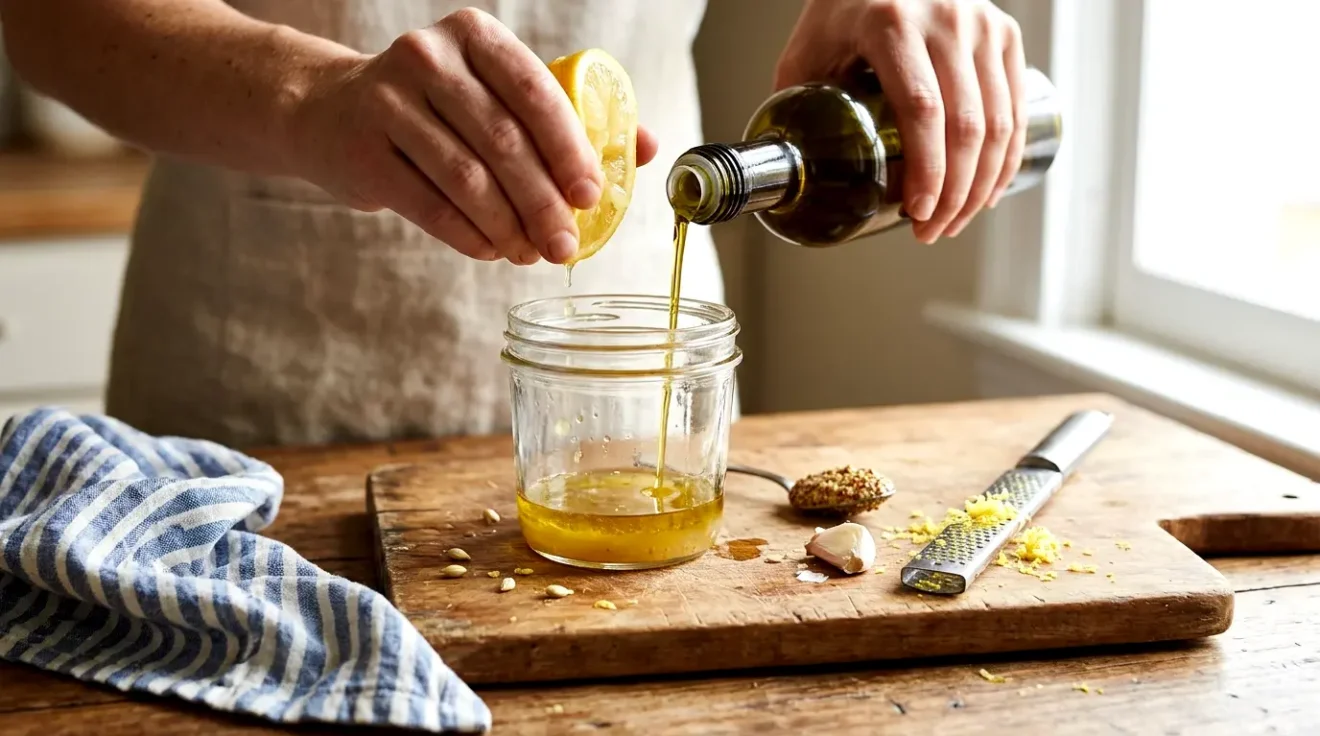
The important technique is to distribute the flavour across the meal rather than relying entirely on a final drizzle. For a bowl served immediately, stir a small amount of the dressing through warm, cooked grains, then reserve the rest for the vegetables and protein.
Lemon zest can also be folded into cooked quinoa or couscous for additional citrus aroma. Add a small squeeze of lemon to roasted vegetables after they leave the oven, and finish the assembled bowl with a little more dressing if needed.
This creates several layers of flavour without requiring several separate sauces. The grain tastes seasoned, the vegetables retain their character and the final drizzle connects everything together.
For packed lunches, make the dressing separately and refrigerate it promptly in a clean, sealed jar. A simple oil-and-lemon mixture without fresh garlic or herbs is generally more practical to prepare ahead than a highly perishable creamy dressing, but its safe storage period depends on the ingredients and handling. Do not assume every homemade dressing will remain safe for several days.
Olive oil may become cloudy or thicken in the fridge. This is normal. Allow the container to stand briefly at room temperature when ready to serve, then shake it thoroughly. Keep the dressing refrigerated during storage and avoid leaving it out unnecessarily.
Once the dressing is balanced, taste the complete bowl before adding more. If it feels too sharp, a little additional oil or a creamy component may soften the flavour. If it tastes heavy, extra lemon or fresh herbs may provide contrast. If it feels flat, check the salt and seasoning of the individual components.
For your next lunch or dinner, start with one grain, one substantial protein source and two vegetables already available. Add a creamy element, mix a small lemon-and-olive-oil dressing, and finish with something crunchy. Taste, adjust and keep the combinations that work: the best grain bowl is one you can easily make again.
Can a grain bowl be a complete meal without meat?
Yes. A meat-free grain bowl can provide a substantial meal when it contains an appropriate protein source such as tofu, tempeh, beans, lentils, eggs or dairy, alongside grains, vegetables and some fat. Its nutritional adequacy depends on the ingredients, quantities and wider diet. Fully vegan diets also require reliable sources of vitamin B12.
Can you use frozen vegetables in a grain bowl?
Yes. Frozen broccoli, peas, spinach, peppers and mixed vegetables can all work well. Cook them according to the packet instructions and drain any excess liquid before assembling the bowl. Combining frozen cooked vegetables with a fresh ingredient such as cucumber or herbs gives the finished meal greater texture contrast.
Is a grain bowl suitable for a gluten-free diet?
A grain bowl can be gluten-free when made with suitable ingredients. Rice and quinoa are naturally gluten-free, whereas standard and wholewheat couscous contain wheat gluten. Check packaging and cross-contact warnings, particularly for sauces, seasonings, ready-cooked grains and toppings.
Can you prepare several grain bowls at once for the working week?
You can prepare components in advance, but their safe storage periods vary. Store cooked ingredients promptly under appropriate refrigeration conditions and keep dressings and delicate toppings separate. For cooked rice, follow Food Standards Agency advice to cool it rapidly, refrigerate it and consume it within 24 hours. Freeze suitable portions when preparing further ahead rather than assuming a fully assembled bowl will remain safe throughout the week.
What can replace olive oil in a grain bowl dressing?
Rapeseed oil is a practical alternative in a lemon-based vinaigrette. Yoghurt, hummus or thinned tahini can provide a creamier dressing, while mashed avocado can add richness directly to the bowl. Adjust the lemon juice, seasoning and consistency to suit the chosen ingredient and the rest of the meal.