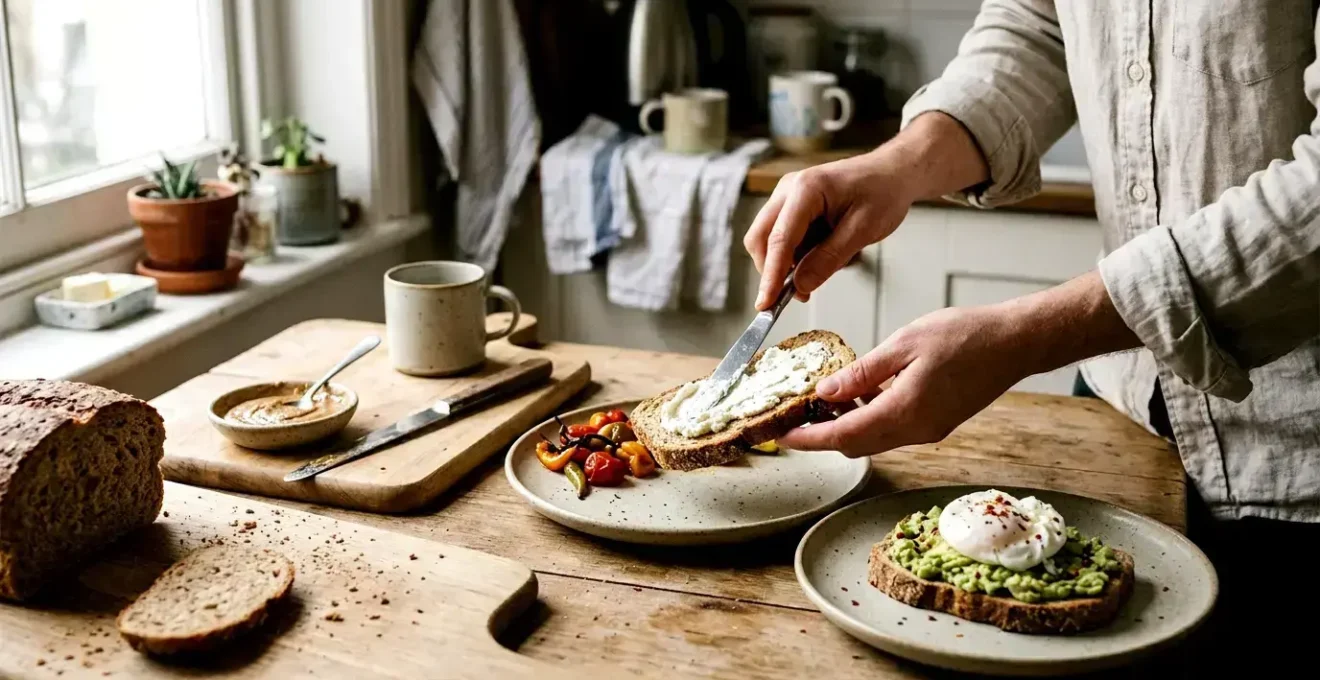
Wholemeal toast can be much more than a quick vehicle for butter or jam. With the right toppings, it becomes the foundation of a satisfying breakfast, a light lunch or even a simple evening meal. The secret is not an elaborate recipe but combining the bread’s fibre-rich carbohydrates with protein, vegetables and modest amounts of healthy fats.
A slice topped with an egg and tomatoes offers something quite different from one covered only in honey. Both can fit into a varied diet, but the first brings together more food groups and provides a useful starting point when you need a meal that feels substantial.
In England, supermarket wholemeal loaves, eggs, tinned beans, hummus, soft cheese and leftover vegetables make these combinations particularly accessible. There is no need to buy speciality ingredients or spend half an hour cooking. A little preparation and a clearer understanding of bread labels can turn everyday toast into a flexible meal you will actually want to repeat.
Balanced wholemeal toast at a glance
- Start with wholemeal bread, add a meaningful protein source, then include vegetables, fruit or a modest amount of unsaturated fat.
- Use familiar ingredients such as eggs, ricotta, beans, nut butter and leftovers to assemble varied meals in around ten minutes.
- Check bread ingredients and fibre values, and freeze spare slices to keep convenient wholemeal options available.
- Why Does Whole-Grain Toast Keep You Fuller With the Right Toppings?
- How Can You Build Three Balanced Meals on Whole-Grain Toast in Under Ten Minutes?
- Eggs, Ricotta or Nut Butter: Which Topping Fits Your Whole-Grain Toast Best?
- Which Bread Labels Can Make a Loaf Look More Whole-Grain Than It Really Is?
- When Should You Freeze Whole-Grain Bread Instead of Keeping It on the Counter?
- How Can You Make Your Usual Breakfast More Filling Without Doubling the Portion?
- Oats, Lentils or Wholemeal Bread: Which Fibre Source Fits Your Meal Best?
- What Makes a Breakfast Substantial Enough for a Long or Active Morning?
Why Does Whole-Grain Toast Keep You Fuller With the Right Toppings?
Whole-grain toast can help you feel satisfied because its fibre contributes to a more substantial meal, but the toppings make an important difference. Adding eggs, beans, dairy foods or nut butter introduces protein and sometimes fat, while fruit and vegetables provide additional fibre. Combining these components generally makes toast a more balanced option than bread with a sweet spread alone.
Wholemeal bread contains the bran, germ and endosperm of the grain. Compared with many breads made primarily from refined flour, it generally provides more dietary fibre. Fibre can influence digestion and fullness, although the effect varies according to the food, portion and individual.
Protein is another useful component of a filling meal. Eggs, cottage cheese, fish and pulses provide protein that plain toast does not supply in comparable amounts. Fat-containing toppings, including avocado or peanut butter, can contribute to satisfaction, but portions still matter because fats are energy-dense.
A practical way to assemble toast is to use three components:
- Wholemeal base: one or two slices supplying starchy carbohydrates and fibre.
- Protein topping: an egg, beans, fish, ricotta or another protein-containing food.
- Additional plant food or unsaturated fat: tomatoes, spinach, berries, avocado or a small amount of seeds.
This is a convenient meal-building method, not a mandatory nutritional formula. The NHS Eatwell Guide recommends a varied balance of starchy foods, fruit and vegetables, protein foods, dairy or alternatives and unsaturated fats across the overall diet. Every individual meal does not have to contain every group.
Jam or honey can still be enjoyed. However, a toast breakfast relying exclusively on a sweet spread may provide relatively little protein. Rather than assuming it will inevitably cause a blood sugar spike or a particular hunger pattern, consider what else the meal contains.
Two thoughtfully topped slices may also be more useful than one plain slice followed by an unsatisfying snack. The appropriate quantity depends on your appetite and activity, not an automatic rule that less bread is better.
Once this structure becomes familiar, changing the ingredients is straightforward. The same slice of bread can support several different meals without losing the balance that makes it useful.
How Can You Build Three Balanced Meals on Whole-Grain Toast in Under Ten Minutes?
Three quick wholemeal toast meals can be built around egg and avocado for breakfast, ricotta and leftover roasted vegetables for lunch, or beans and fresh vegetables for a light dinner. Each combines bread with protein and additional plant foods. The ten-minute target is realistic when ingredients are already cooked, washed or ready to use.
Think of these ideas as flexible meal structures rather than recipes requiring exact quantities. Use a toaster, a chopping board and ingredients already in the fridge.
| Meal | Toast combination | Why it works |
|---|---|---|
| Breakfast | Wholemeal toast, mashed avocado, a boiled or quickly cooked egg and tomato | The egg provides protein, while the bread, avocado and tomato contribute carbohydrates, fibre and fats. |
| Light lunch | Wholemeal toast, ricotta, leftover roasted peppers or courgettes and herbs | Ricotta adds dairy protein, with vegetables contributing variety and fibre. |
| Quick dinner | Wholemeal toast, warmed low-salt beans, chopped cucumber or tomatoes and a little grated cheese | Beans provide protein and fibre, while vegetables add freshness. |
For the breakfast version, start toasting the bread while preparing the egg. A previously boiled egg is the fastest option. Spread the avocado lightly and finish with sliced egg and tomato.
For lunch, use vegetables roasted earlier rather than cooking them from scratch. Ricotta can be spread directly onto warm toast, followed by the vegetables and black pepper. The combination also works cold when you cannot use the cooker.
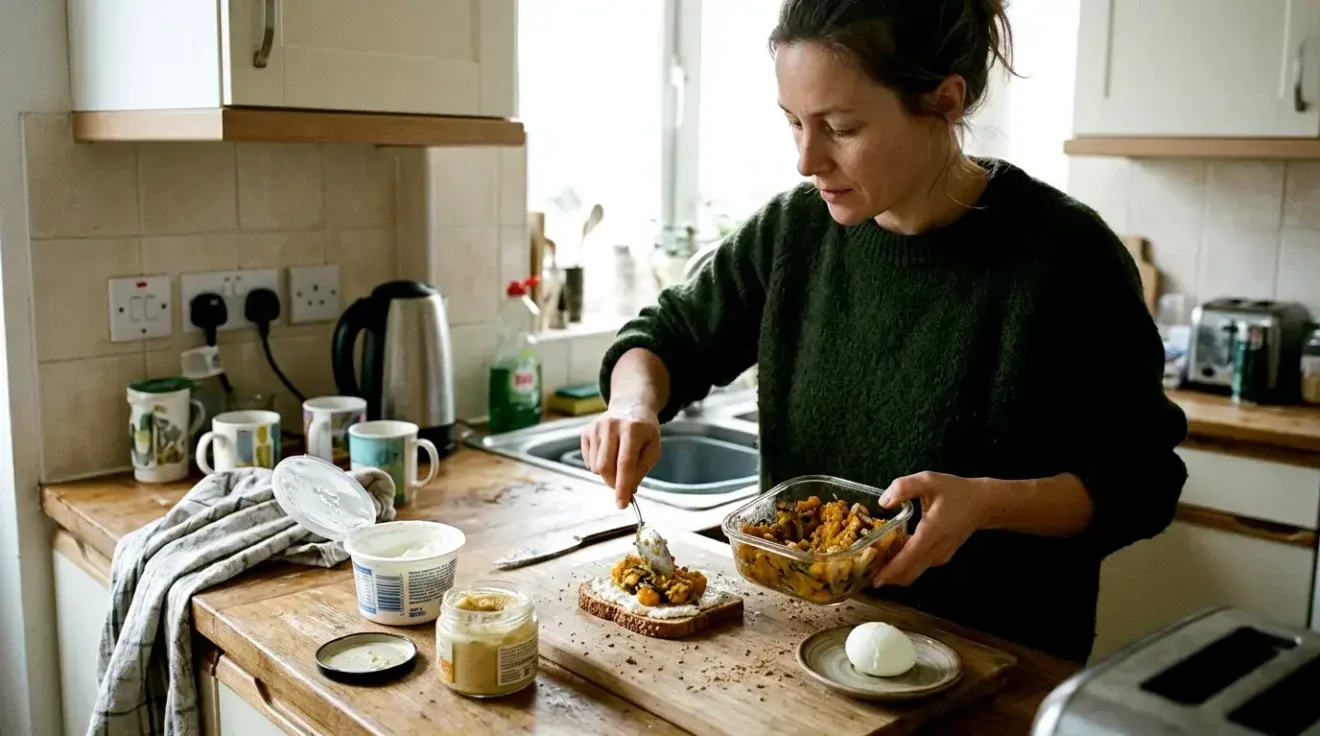
For dinner, gently warm cooked beans and spoon them onto the toast, adding crunchy vegetables after heating. Tinned tuna, mashed chickpeas or leftover lentils are useful alternatives when you want a different flavour.
Preparation makes the biggest difference. Keeping some cooked vegetables, safely refrigerated hard-boiled eggs or an opened tub of hummus available can save several minutes. Follow storage instructions, refrigerate perishable ingredients promptly and use leftovers within appropriate food-safety periods.
Balanced does not mean adding every nutritious-sounding ingredient at once. Large quantities of oil, cheese and avocado can make a modest toast meal unexpectedly energy-dense. Salted cheeses, commercial sauces and seasoned breads may also increase sodium intake.
The next decision is which topping deserves the central role. Choosing it for the meal you want is more useful than treating any single food as the healthiest option in every situation.
Eggs, Ricotta or Nut Butter: Which Topping Fits Your Whole-Grain Toast Best?
Eggs are a convenient protein-rich choice for a substantial savoury breakfast, ricotta offers a mild dairy-based topping for sweet or savoury meals, and nut butter provides unsaturated fats alongside some protein and fibre. None is automatically best. The appropriate topping depends on your appetite, available time, dietary needs and the other foods accompanying your toast.
These three ingredients play different roles. An egg supplies substantial protein in a relatively compact serving. Ricotta contributes protein and calcium, although its protein content varies by product. Peanut or almond butter can make toast enjoyable and satisfying, but it is also relatively energy-dense.
| Topping | Main advantage | Best practical use |
|---|---|---|
| Eggs | Useful source of protein | Breakfast or lunch with tomatoes, spinach or mushrooms |
| Ricotta | Mild flavour, dairy protein and calcium | Quick lunch with vegetables or breakfast with berries |
| Nut butter | Unsaturated fats, some protein and fibre | Breakfast or snack with banana, apple or berries |
For a long morning, egg with tomatoes and wholemeal toast is a straightforward choice. For a lighter meal before activity, ricotta with fruit may feel more comfortable, depending on the serving size. Nut butter is practical when cooking is not possible, especially when paired with fruit.
Other toppings can fulfil similar functions. Sardines offer protein and fats, hummus combines pulses with other ingredients, and leftover lentils can supply both protein and fibre. Cottage cheese is another convenient dairy option.
The mistake is often not choosing the wrong topping but forgetting what the whole meal needs. Avocado, olive oil and cheese together may provide plenty of fat without a particularly substantial protein source. Equally, a vegetable topping is not necessarily protein-rich simply because it is plant-based.
Choose a main protein-containing ingredient first, then add flavours and vegetables around it. Check labels where relevant, particularly for salted spreads, nut allergies and varying protein contents.
The benefits of these combinations also depend on the bread underneath. A rustic-looking loaf may not contain the wholemeal flour its appearance suggests.
Which Bread Labels Can Make a Loaf Look More Whole-Grain Than It Really Is?
Labels such as multigrain, seeded and granary can make bread appear particularly wholesome without guaranteeing that all its flour is wholemeal. In England, the name wholemeal bread has a specific regulatory meaning: all flour used as an ingredient must be wholemeal. Checking the product name, ingredients and fibre information is more reliable than judging colour or visible seeds.
A dark crust, scattered seeds or rustic packaging does not establish how much wholegrain flour a loaf contains. White-flour bread can include several grains or seeds and still differ nutritionally from a loaf made entirely with wholemeal flour.
The UK government guidance on bread and flour labelling explains that bread named wholemeal must use wholemeal flour for all its flour ingredients. This does not mean the finished loaf consists entirely of flour: water, yeast, salt and other permitted ingredients may also be present.
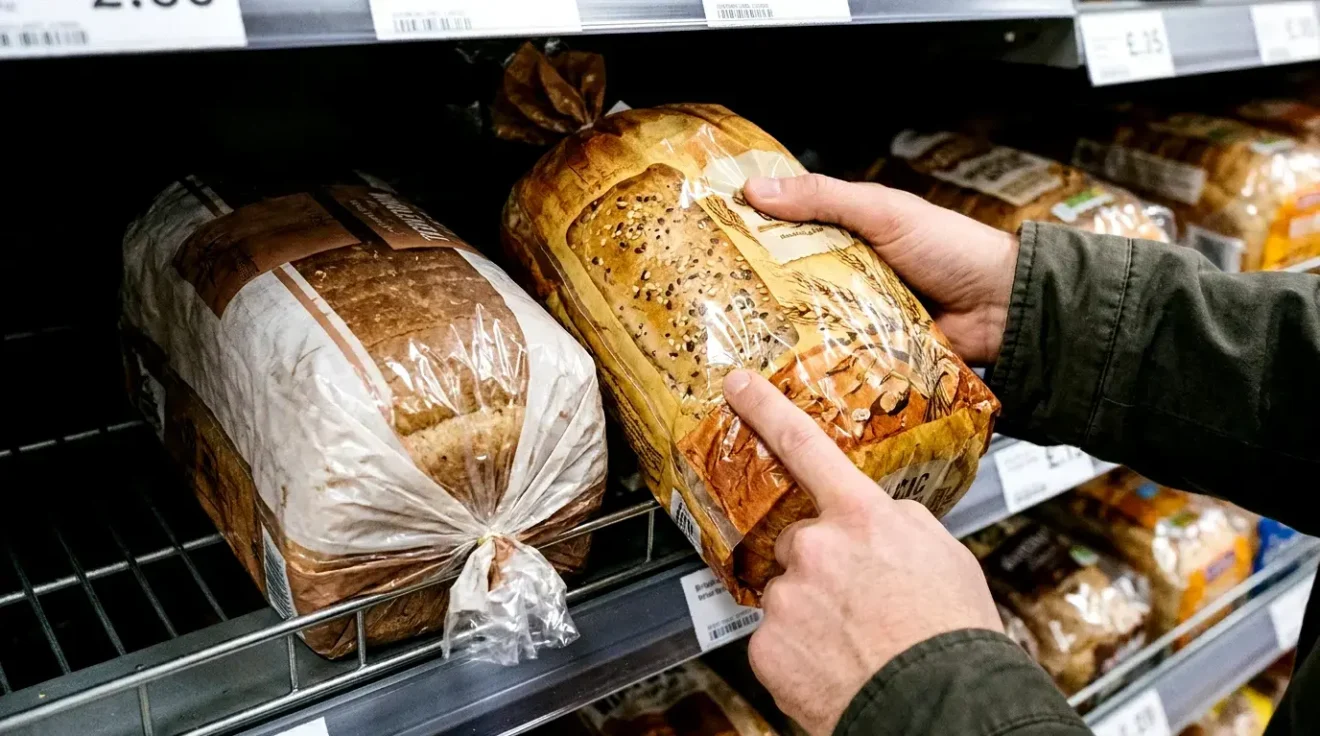
A mixed-flour loaf may still be a useful choice, particularly when moving gradually away from white bread. A 50/50 bread, for example, can combine white and wholemeal flour, but it should not be assumed equivalent to a fully wholemeal loaf for fibre.
Ingredient order matters because ingredients are generally listed by weight. Look for wholemeal flour near the beginning and check whether the packaging states its proportion. Where a percentage is given, read it carefully rather than assuming a seed-covered front image represents wholegrain content.
Next, compare the nutrition panel. Fibre per 100 g is helpful for comparing formulations, while an estimated amount per slice reflects the bread you actually eat. Slice thickness and weight can change the comparison considerably.
6 g per 100 g
The threshold for a food to be described as high in fibre under the applicable nutrition-claim rules. A loaf meeting this threshold is not necessarily made entirely with wholemeal flour.
NHS dietary fibre guidance
Five checks before putting a loaf in your basket
- Read the bread’s actual product name and record whether it says wholemeal, multigrain or seeded.
- Find the flour ingredients and identify whether wholemeal flour is used throughout or alongside refined flour.
- Check any declared wholemeal flour percentage and note what proportion it describes.
- Compare the fibre values for two loaves, using the same 100 g basis before considering slice size.
- Choose the loaf that meets your fibre, taste and budget preferences, and record its name for your next shop.
Once you have found a loaf you enjoy, proper storage matters too. Buying a nutritious bread offers little practical benefit if half of it goes stale before you can use it.
When Should You Freeze Whole-Grain Bread Instead of Keeping It on the Counter?
Freeze wholemeal bread when you are unlikely to finish it while it remains fresh, particularly if you buy a large or additive-free loaf. Room-temperature storage is convenient for bread you expect to eat soon, while refrigeration can accelerate staling. Freezing individual slices lets you take out only what you need for quick breakfasts and lunches.
Staling is not simply the result of bread losing moisture. Changes within bread starch contribute to the crumb becoming firmer over time. Refrigeration can encourage these structural changes even though a fridge may seem like a sensible place to keep food fresh.
Experimental research on bread storage temperature and staling compared conditions including 25°C, 4°C and −18°C. Among the tested conditions, starch retrogradation was fastest at 4°C. The findings help explain why refrigeration can affect texture, although they do not establish the exact shelf life of every wholemeal loaf.
For everyday use, freeze bread while it is still fresh rather than waiting until it has already deteriorated.
- Slice an unsliced loaf before freezing so you can remove individual portions.
- Separate slices if necessary and wrap them securely, using a suitable freezer bag or airtight wrapping.
- Label the package with the freezing date to help manage stock and quality.
- Remove only the slices needed for the meal.
- Toast suitable frozen slices directly, following the toaster’s instructions, or defrost them safely before use.
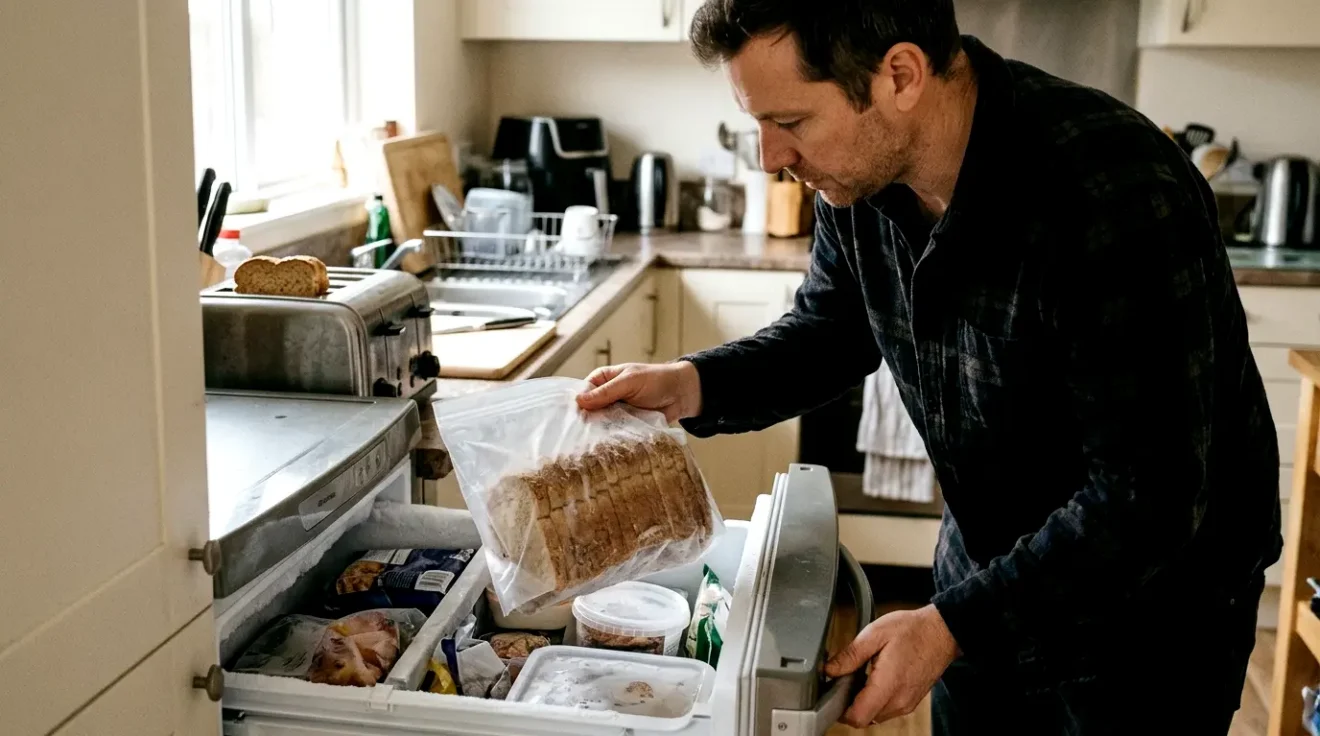
Good packaging helps limit drying, freezer burn and unwanted odours. A well-sealed freezer bag or an additional protective wrap is useful, especially when bread will remain frozen for longer.
Keeping bread at room temperature can still make sense when you expect to finish a small loaf within a day or two and storage conditions are suitable. Preserve the crust and texture by using appropriate packaging for the type of loaf, while checking regularly for spoilage.
Never treat freezing as a way to restore bread that has already become mouldy. Freezing helps preserve quality but does not make spoiled food safe.
With the bread sorted, the next challenge is making a familiar breakfast more satisfying without simply increasing its size.
How Can You Make Your Usual Breakfast More Filling Without Doubling the Portion?
Make your usual breakfast more filling by improving what it contains rather than automatically doubling the quantity. Adding a protein-containing food, choosing a higher-fibre bread or including fruit can change the meal’s nutritional balance. Small changes to familiar habits are often easier to maintain than replacing breakfast with an entirely new routine.
If your normal breakfast is wholemeal toast with butter, keep the toast but try cottage cheese and sliced tomato on some mornings. If you prefer something sweet, add peanut butter and banana instead of relying only on jam.
Another option is to leave your preferred toast topping unchanged and add a boiled egg or plain yoghurt alongside it. This can introduce protein without requiring a larger serving of bread.
The aim is not to eliminate carbohydrate. Wholemeal bread already provides useful starchy carbohydrates, while toppings and accompaniments can bring other nutrients into the meal.
30 g per day
The recommended daily dietary fibre intake for adults in the UK. This is a whole-day target, not a requirement for one breakfast. The NHS reports average adult intake at approximately 20 g daily.
NHS guidance on increasing dietary fibre
For a practical illustration, the NHS estimates that two slices of wholemeal toast with peanut butter, followed by a medium orange, provide approximately 8.3 g of fibre. That estimate belongs to the complete combination, not the toast alone, and individual products can vary.
There is no need to assume that eating white bread and jam will inevitably cause a rapid blood sugar spike followed by hunger. Individual responses differ. The more useful observation is whether a breakfast has enough protein, fibre and overall food to suit the person eating it.
Try changing one component for several mornings and noticing your appetite. If hunger repeatedly returns earlier than expected, review the amount and composition of the whole meal. Persistent hunger does not prove a specific nutrient deficiency.
Fibre is particularly helpful to consider because it comes from more than bread. Oats, pulses, fruit and vegetables can all contribute, often in quite different meal formats.
Oats, Lentils or Wholemeal Bread: Which Fibre Source Fits Your Meal Best?
Wholemeal bread suits quick toast-based meals, oats are convenient for porridge or yoghurt bowls, and lentils work especially well in savoury lunches and dinners. All three can contribute dietary fibre, but they have different culinary uses and nutritional profiles. Choosing a mixture throughout the week is generally more useful than relying on a single source.
Wholemeal wheat provides fibre associated with the bran and other parts of the grain. Oats contain soluble fibre, including beta-glucan, while lentils provide a mixture of fibre types alongside plant protein.
These distinctions matter, but there is no need to calculate an ideal ratio of soluble to insoluble fibre at every meal. Variety helps build a more diverse diet and makes fibre-rich eating less repetitive.
The NHS identifies wholemeal bread, oats, beans, lentils, chickpeas, nuts, seeds, fruit and vegetables as useful fibre sources. Its advice on increasing dietary fibre encourages obtaining fibre from different foods rather than depending too heavily on one choice.
| Food | Convenient meal format | Useful pairing |
|---|---|---|
| Oats | Porridge, overnight oats or yoghurt bowls | Fruit, yoghurt, nuts or seeds |
| Lentils | Soups, salads, mashed spreads or savoury toast | Lemon, herbs, vegetables or a little yoghurt |
| Wholemeal bread | Toast, sandwiches or simple open-faced meals | Eggs, hummus, fish, vegetables or nut butter |
Lentils are particularly easy to overlook as a toast topping. Mash cooked lentils with lemon juice, black pepper and herbs to create a spread, or spoon a thick leftover dal onto toast. These combinations add plant protein and fibre without needing a specialist product.
Oats need not compete with bread. You might have porridge on some mornings, wholemeal toast on others and lentils at lunch. Different foods can help meet your overall fibre needs across the day.
If you currently eat relatively little fibre, increase it gradually rather than suddenly adding large amounts of bran, pulses and seeds. Drink sufficient fluids, and adjust portions if bloating or digestive discomfort develops.
With this variety established, the final question is how to judge whether breakfast is substantial enough for the particular morning ahead.
Key takeaways before planning your next breakfast
- Judge a meal by its overall composition and how well it suits your appetite, not by the number of slices alone.
- Adapt protein, fibre and portion size to your planned activity rather than following one breakfast formula every day.
- Notice when hunger returns over several mornings and make a small, practical adjustment instead of overhauling everything.
What Makes a Breakfast Substantial Enough for a Long or Active Morning?
A substantial breakfast provides enough food for your appetite and planned activities, with a useful balance of starchy carbohydrates, protein and other nutritious ingredients. Wholemeal toast can form part of this meal when paired with eggs, beans, dairy foods, fruit or vegetables. The best portion and topping combination depends on the individual rather than a fixed breakfast rule.
A morning spent working at a desk may call for something different from one involving a long walk, a physical job or a training session. Toast is adaptable because you can change the topping, add an accompaniment or vary the number of slices.
For a relatively quiet morning, one or two slices with ricotta and fruit may be sufficient for some people. For a physically demanding morning, toast with eggs and beans, accompanied by fruit or yoghurt, may provide a more substantial meal.
These are examples, not prescribed portions. Body size, activity, preferences and individual energy needs all influence how much food is appropriate.
Timing matters as well. A large, fat-rich topping immediately before strenuous activity may feel uncomfortable for some people. A simpler breakfast before exercise, with additional food afterwards if needed, can be more practical.
Skipping breakfast is not automatically unhealthy, and eating it does not guarantee better performance. Some people prefer a later first meal. If skipping breakfast repeatedly leaves you excessively hungry or struggling with concentration, however, it may be worth reconsidering the timing and composition of your food.
The most useful test is an everyday observation rather than an exact calculation: after several similar mornings, consider when hunger returns, how comfortable the meal feels and whether it supports the activities you planned.
If breakfast consistently feels insufficient, consider adding a protein-rich topping first, then reviewing fibre-rich foods and the overall portion. If the meal feels too heavy, simplify the toppings or adjust the amount.
At your next breakfast, keep the wholemeal toast you already enjoy and change just one topping or accompaniment. Observe how the meal works for you over a few mornings, then make further adjustments only when they serve a clear purpose.
Can wholemeal toast be part of a balanced meal every day?
Yes. Wholemeal toast can feature regularly in a varied diet, provided the overall pattern includes suitable sources of protein, fruit, vegetables, fats and other nutrients. Changing toppings and eating different fibre-rich foods throughout the week helps maintain variety. People who need to avoid gluten should choose an appropriate alternative.
Is wholemeal toast with peanut butter a complete breakfast?
Wholemeal toast with peanut butter provides starchy carbohydrates, fibre, fats and some protein. It can be a useful breakfast, especially with fruit or another accompaniment. Whether it is sufficient depends on the amount eaten and your individual needs. Choose a nut butter suitable for your allergies and preferences.
Does toasting wholemeal bread remove its fibre?
Ordinary toasting does not turn wholemeal bread into refined white bread or remove the grain components that supply its fibre. Toasting mainly changes moisture, texture and browning. The original bread’s ingredients and fibre content remain more useful selection criteria than whether it is served toasted.
Can a mixed-flour loaf still be a sensible choice?
Yes. A loaf containing both wholemeal and refined flour can be a practical choice, especially for someone gradually increasing wholegrain foods. It should not automatically be treated as equivalent to wholemeal bread. Compare the declared flour ingredients and fibre values to understand the difference.
What can replace eggs or dairy on a plant-based toast meal?
Mashed lentils, chickpeas, hummus, tofu or beans can provide plant-based alternatives. Pair them with wholemeal toast and vegetables for a varied savoury meal. Nut butter is another option, although its protein contribution and fat content differ from those of pulses or tofu.