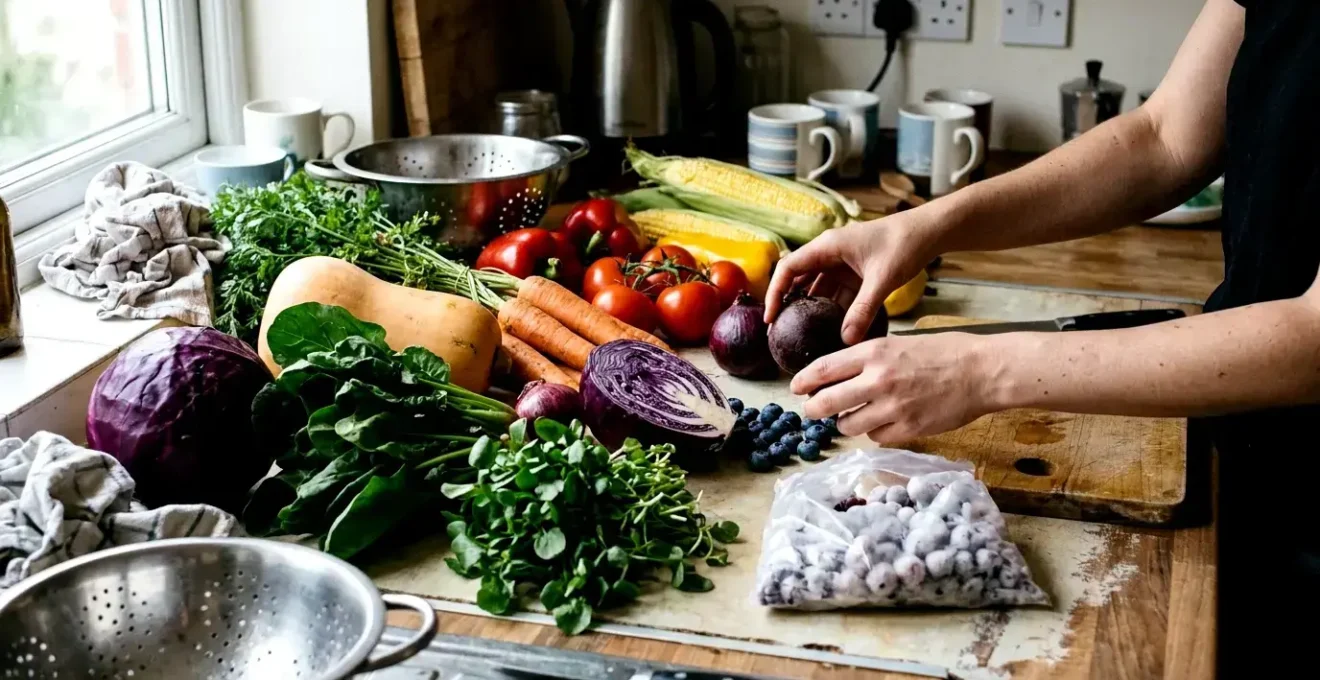
Blueberries at breakfast, tomatoes at lunch and broccoli with dinner might already sound like a sensible daily routine. Yet eating the same nutritious foods repeatedly can leave little room for the different plant compounds found in berries, citrus fruit, leafy greens, beans and colourful vegetables.
The easiest way to introduce more antioxidant-rich produce is not to redesign every meal. It is to rotate familiar ingredients: swap spinach for watercress, add red cabbage to a usual stir-fry, keep frozen berries for porridge or alternate tomatoes with peppers in sandwiches.
These changes increase dietary variety without requiring expensive powders, unusual ingredients or claims that one food can transform health. Plant foods contain vitamins, minerals, fibre and naturally occurring compounds with antioxidant properties, but their nutritional value extends beyond any single chemical characteristic.
For adults in England, the practical foundation remains a varied diet that includes plenty of fruit and vegetables. Colour is a useful shopping and meal-planning prompt, not a scientific score or a substitute for balanced nutrition.
Antioxidant-rich produce: what matters most
- Rotate different plant foods rather than relying on one heavily promoted antioxidant superfood.
- Use simple additions and weekly swaps to bring berries, leafy greens, tomatoes, peppers and other vegetables into meals you already enjoy.
- Choose fresh, frozen or canned produce according to convenience, cost and intended use, while treating dramatic antioxidant claims cautiously.
- Why Is Plant Variety More Useful Than Relying on One Antioxidant Superfood?
- Why Can Eating the Same Healthy Foods Every Day Still Limit Vitamin Variety?
- Which Vitamin-Rich Foods Are Easy to Include in a Normal Weekly Diet?
- How Can You Add More Antioxidant-Rich Produce Without Changing Your Favourite Meals?
- Berries, Red Cabbage or Tomatoes: Which Colourful Produce Fits Your Meal Best?
- When Can Frozen Berries and Vegetables Be More Practical Than Fresh Produce?
- Which Antioxidant Claims Can Make an Ordinary Food Sound More Powerful Than It Is?
- How Can You Check Whether a New Nutrition Claim Is Worth Acting On?
Why Is Plant Variety More Useful Than Relying on One Antioxidant Superfood?
Eating a variety of plant foods introduces a broader selection of naturally occurring compounds than relying on one supposedly exceptional superfood. Blueberries, tomatoes, leafy greens and orange vegetables contain different phytochemicals, some with antioxidant properties. No single food supplies every beneficial nutrient, and antioxidant content alone cannot establish how much a food improves health.
Plant pigments offer a convenient starting point for understanding these differences. Anthocyanins contribute to the purple, blue and red appearance of foods such as blueberries and red cabbage. Lycopene is associated with the red colour of tomatoes, while carotenoids occur in foods including carrots, squash and dark green vegetables.
These relationships are not exclusive. A vegetable can contain several pigment classes, and its visible colour does not reveal the quantity or biological activity of every compound it contains.
Harvard Health‘s explanation of antioxidants describes examples including lycopene in tomatoes, lutein in kale and anthocyanins in blueberries. It also distinguishes the antioxidant properties of individual substances from demonstrated benefits of consuming them.
Imagine a hypothetical weekly shopping basket containing blueberries, carrots, broccoli and apples. These are nutritious choices, but repeating only those four foods leaves opportunities to include citrus fruit, tomatoes, purple cabbage, beans and other leafy vegetables.
The point is not that the original foods are inadequate. They simply represent part of a much larger selection of plant ingredients.
A useful self-assessment is a weekly colour count:
- Write down the fruit and vegetables eaten over the past seven days.
- Group them loosely by colour: red, orange, yellow, green, purple or blue, and white or pale.
- Notice which groups rarely appear.
- Choose one accessible food from an underrepresented group for the following week.
This is an informal variety check rather than a validated nutritional assessment. There is no established ideal number of colours to achieve, and different-coloured foods are not interchangeable in their vitamin, mineral or fibre content.
Colour also cannot replace portion size. For example, adding one blueberry to breakfast changes the colour selection but makes little practical difference to overall food intake.
Once the most frequently repeated foods are visible, the next step is to examine whether a seemingly healthy routine is also providing sufficient variety of nutrient sources.
Why Can Eating the Same Healthy Foods Every Day Still Limit Vitamin Variety?
Eating the same healthy foods each day can provide consistent energy and several important nutrients while limiting exposure to other vitamins, minerals and plant compounds. Dietary quality depends on more than choosing nutritious ingredients individually. Rotating foods across different plant families makes it easier to broaden nutrient sources without abandoning familiar meals.
A routine built around apples, spinach, carrots and broccoli illustrates the issue. Apples can contribute fibre, spinach supplies nutrients including folate, carrots provide beta-carotene, and broccoli contributes vitamin C and other compounds.
However, the pattern contains no citrus fruit, berries, tomatoes, legumes or purple vegetables. It also draws heavily on leafy greens and brassicas while leaving other plant categories relatively unexplored.
This does not automatically indicate a vitamin deficiency. The overall diet, quantities eaten, food preparation and individual nutritional requirements matter. It simply shows why nutrient diversity and consistent meal choices are not the same thing.
The easiest solution is to preserve the meal but change one ingredient. A lunchtime salad can remain a lunchtime salad whether its leaves are spinach, watercress, kale or rocket. A pasta sauce can alternate between tomatoes, peppers and additional vegetables.
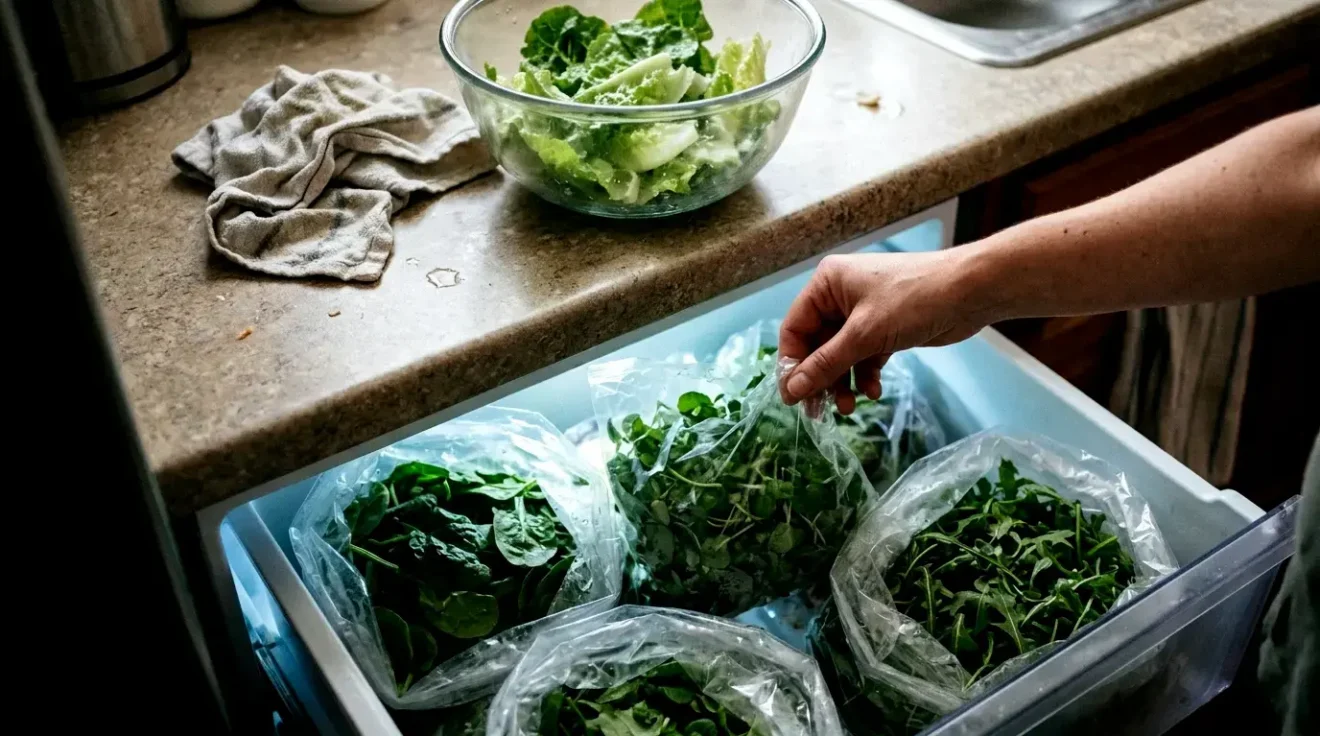
Rotating leafy vegetables is particularly manageable because many serve similar culinary roles. Watercress and rocket can provide a peppery taste, spinach is relatively mild, and kale may need more preparation depending on the dish.
Variation within one food category is useful, but it should not become the only kind of variation. Alternating four leafy greens does not replace including fruit, beans and other vegetables.
Try assigning one ingredient slot to rotation each week. Keep breakfast, lunch and dinner broadly unchanged while changing the fruit beside breakfast or the vegetables in a familiar evening dish.
Once substitutions become familiar, selecting produce by how conveniently it fits breakfast, packed lunches and quick dinners can make variety even more practical.
Which Vitamin-Rich Foods Are Easy to Include in a Normal Weekly Diet?
Vitamin-rich produce that needs little preparation is generally easiest to include in an ordinary weekly diet. Clementines, tomatoes and peppers suit meals without cooking; frozen peas, sweetcorn and salad leaves fit existing recipes; and squash or red cabbage can be prepared in batches. Choosing foods by their everyday uses makes variety more manageable.
Instead of buying vegetables solely because they contain a particular vitamin, consider when they will actually be eaten. A nutritious ingredient provides little practical value if it repeatedly remains unused.
Three groups offer a convenient framework for UK households.
| Preparation group | Useful examples | Everyday meal opportunities |
|---|---|---|
| No cooking required | Clementines, tomatoes, sweet peppers | Breakfast fruit, packed lunches, sandwiches and snacks |
| Easy additions to existing dishes | Frozen peas, canned sweetcorn, bagged salad leaves | Jacket potatoes, pasta, rice dishes, soups and quick dinners |
| Suitable for batch preparation | Butternut squash, red cabbage, roasted peppers | Tray bakes, grain bowls, side dishes and next-day lunches |
Each group contributes different nutrients. Sweet peppers can provide vitamin C alongside carotenoid compounds, while leafy greens can contribute folate and other nutrients. Orange vegetables such as carrots and squash contain carotenoids, including compounds the body can convert into vitamin A.
A food containing several nutrients is useful when shopping space and budgets are limited, but no single vegetable should be expected to cover every requirement.
Portion size also matters. The NHS guidance on what counts towards 5 A Day explains that an adult portion of fresh, frozen or canned fruit or vegetables is generally 80g. Dried fruit has a different portion definition, and beans and pulses count towards no more than one portion a day, regardless of quantity.
80g
The usual adult portion of fresh, frozen or canned fruit or vegetables under the NHS 5 A Day guidance. This is a produce portion measure, not a target for antioxidant intake.
NHS, 5 A Day dietary guidance.
For a practical weekly routine, buy one easy-to-eat fruit, one vegetable suitable for lunch and one vegetable that can be added to dinner without much preparation. Rotate these choices on subsequent shopping trips.
Different forms of produce can serve different purposes. Fresh tomatoes may suit a sandwich, canned tomatoes a pasta sauce, and frozen peas a quick meal prepared straight from the freezer.
The next step is to incorporate these foods into favourite meals in ways that preserve the flavours and preparation habits that make those dishes appealing.
How Can You Add More Antioxidant-Rich Produce Without Changing Your Favourite Meals?
Adding produce to meals you already enjoy is often simpler than replacing those meals with unfamiliar recipes. Berries can go into porridge, grated carrots into pasta sauce, peppers into omelettes and extra vegetables into tray bakes. These additions preserve the original meal while increasing opportunities to eat different plant foods throughout the week.
An addition-before-substitution approach begins with meals that are already familiar. Rather than replacing toast, cereal or pasta, add fruit or vegetables in a way that complements their existing flavours and textures.
For example, soft berries work naturally with yoghurt and porridge. Grated carrot blends into tomato-based sauces, while chopped peppers and courgettes hold their shape in many savoury dishes.
The purpose is not to conceal every vegetable. It is to make nutritious additions sufficiently convenient and enjoyable that they become part of the normal meal.
Texture is important. Frozen berries may soften yoghurt or porridge as they thaw, while a firm raw pepper adds crunch to a sandwich. Roasted vegetables generally suit dishes where softness and warmth are already expected.
Quantity deserves attention too. A visible, substantial addition is more useful than a token garnish. Where suitable, use the NHS 80g adult portion as a reference, while recognising that smaller additions can still contribute to the day’s total.
For households already eating several portions of fruit and vegetables daily, the goal may be to change the selection rather than simply make meals larger.
Five small actions for a more varied week
- Record three regular meals. Write down one familiar breakfast, lunch and dinner that you eat frequently.
- Identify existing produce. List the fruit and vegetables already included in those meals, producing a short baseline inventory.
- Choose three compatible additions. Assign one new fruit or vegetable to each meal, with a specific ingredient written beside it.
- Plan realistic quantities. Add approximate amounts to the shopping list, using an 80g portion as a reference where appropriate.
- Review what was actually eaten. At the end of the week, mark successful additions and note one ingredient to repeat or replace.
The weekly review matters more than creating an ambitious shopping list. If extra cabbage was wasted but frozen peas were used twice, that information should influence the next purchase.
Small additions also need to fit food safety and storage requirements. Refrigerate prepared ingredients appropriately, cook foods when necessary and avoid keeping leftovers beyond safe storage periods.
Once a few additions feel natural, comparing specific ingredients by meal suitability, storage and preparation can help make the weekly rotation more reliable.
Berries, Red Cabbage or Tomatoes: Which Colourful Produce Fits Your Meal Best?
Berries are particularly convenient for breakfast and snacks, red cabbage works well in salads, cooked dishes and batch preparation, and tomatoes are versatile additions to savoury meals. Each provides different plant compounds, but the most useful choice depends on the dish, season, storage conditions and how much of the ingredient will actually be eaten.
These three foods demonstrate why an ingredient’s everyday practicality often matters more than its reputation for antioxidant content.
Berries contain compounds including anthocyanins, which contribute to the colour of blueberries and several other fruits. Tomatoes contain lycopene, while red cabbage provides anthocyanin pigments alongside other nutrients and plant compounds.
They are not nutritional equivalents. They offer different combinations of fibre, vitamins and phytochemicals, and preparation can affect their texture and chemical composition.
| Practical factor | Berries | Red cabbage | Tomatoes |
|---|---|---|---|
| Best meal fit | Breakfast, yoghurt, porridge and snacks | Slaws, stir-fries, roasted dishes and sides | Sandwiches, salads, sauces and soups |
| UK availability | Fresh local availability is seasonal; frozen options are useful year-round | Suitable for cool-season cooking and generally available in shops | Sold year-round, with British-grown seasonal availability varying by production method |
| Storage considerations | Fresh berries are delicate and spoil relatively quickly | Whole heads can be stored before use; prepared cabbage needs appropriate refrigeration | Whole and canned forms offer different storage options |
| Cooking behaviour | Softens and releases liquid when heated or thawed | Softens when cooked; pigment colour changes with cooking conditions | Softens into sauces and works in many heated dishes |
| Budget flexibility | Frozen packs can reduce dependence on seasonal fresh purchases | A whole head can serve several meals if used efficiently | Fresh and canned formats offer different purchasing options |
Fresh berries are a convenient choice when they will be eaten promptly. However, frozen berries may be more economical per usable serving outside the fresh growing season, particularly when fresh packs are expensive or prone to waste. Actual value depends on local prices and how much is discarded.
Red cabbage offers a different advantage: it can be incorporated into several meals. Shredded cabbage suits crunchy slaws, while cooked cabbage can accompany roasted vegetables, potatoes or other savoury dishes.
Its purple pigments respond to acidity and alkalinity. Acidic additions such as vinegar can help maintain reddish-purple colouring, whereas alkaline conditions can change its appearance. Prolonged cooking may also alter pigment content.
These changes should not be interpreted as a precise measure of nutritional loss. Visible colour alone cannot tell how many nutrients remain after cooking.
Tomatoes provide the greatest flexibility of these three options in many savoury kitchens. They can be eaten raw, cooked into sauces or used in canned form when fresh tomatoes are inconvenient.
Choosing by intended meal is therefore a better strategy than declaring one ingredient the universal winner. Berries may be ideal for porridge, cabbage for a batch-cooked side and tomatoes for a quick pasta dinner.
When fresh versions are inconvenient, storage method becomes another important part of the decision, especially during the English winter.
When Can Frozen Berries and Vegetables Be More Practical Than Fresh Produce?
Frozen berries and vegetables can be more practical when fresh produce is expensive, out of season, difficult to finish before spoiling or needed for cooked dishes. Freezing can preserve useful levels of vitamins, although retention varies by food and nutrient. Fresh produce remains preferable when a dish depends on crispness or a particular raw texture.
Freezing shortly after harvest can limit some of the changes that occur during prolonged storage. However, freezing does not preserve every nutrient equally, and processing methods also matter.
A 2015 study comparing vitamin retention in fresh and frozen produce examined eight fruits and vegetables, including strawberries, blueberries, broccoli, peas and carrots.
The researchers reported that vitamin levels in frozen samples were generally comparable to, and sometimes higher than, those in fresh counterparts. Results differed across vitamins and produce types, so the study does not establish that frozen food is consistently nutritionally superior.
The comparison is especially relevant when choosing convenient ingredients for ordinary meals rather than trying to rank foods by an overall antioxidant score.
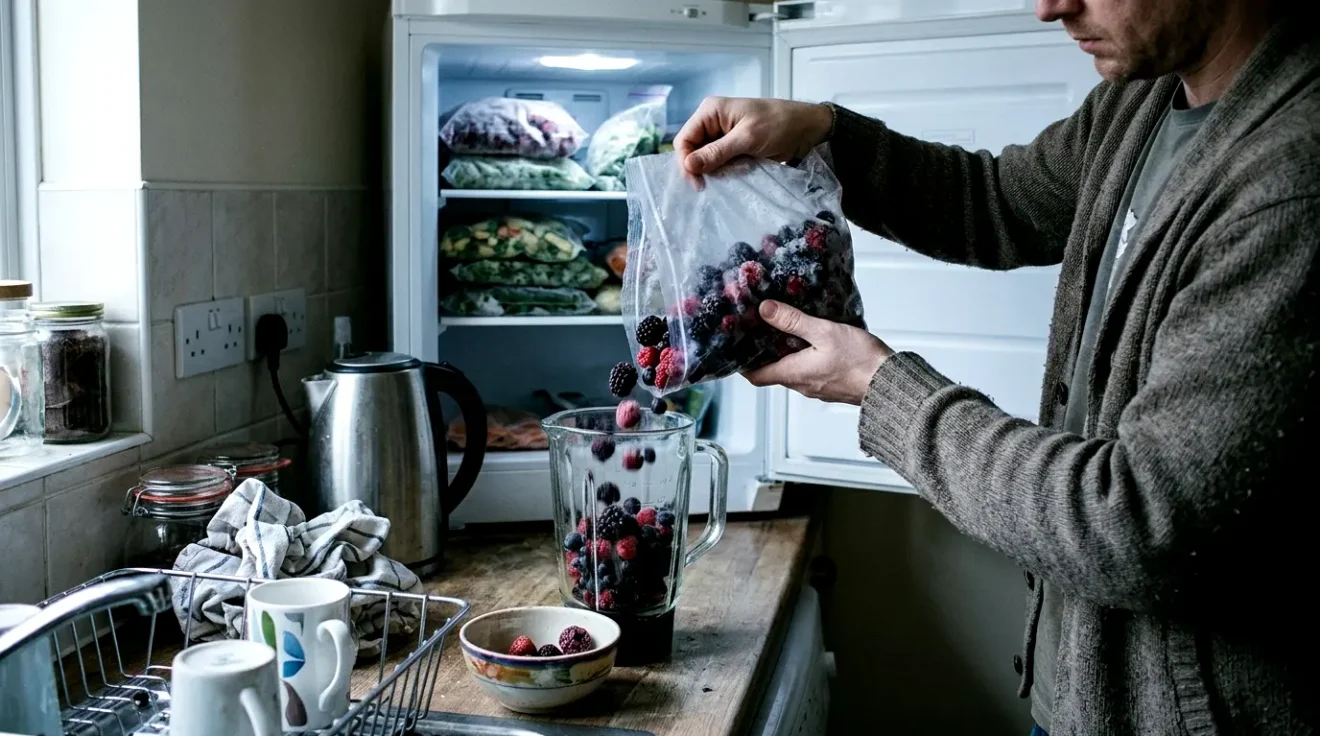
For someone living alone, a large fresh berry pack may be difficult to finish before its contents deteriorate. A frozen pack allows smaller quantities to be used across several breakfasts, reducing the pressure to consume everything immediately.
Frozen peas and mixed vegetables offer similar convenience for people cooking irregularly or preparing quick evening meals. They can often be portioned directly from the freezer and cooked according to the packaging instructions.
Frozen berries are especially useful in porridge, cooked fruit preparations and smoothies. However, follow the packet’s preparation instructions, including any cooking requirements for frozen berries. Do not assume that blending frozen fruit makes it safe to consume without the recommended preparation.
There are also situations where fresh produce performs better. A tomato salad, crisp vegetable garnish or crunchy lunchbox snack depends on texture that freezing can change considerably.
Labels deserve attention. Plain frozen fruit and vegetables are different from products containing added sugar, sauces or other ingredients. Compare the ingredient lists when choosing between them.
The overall cost should be judged by usable quantity, not simply the pack price. A cheaper fresh product may offer poor value if a substantial part is wasted, while a frozen product may be less attractive if freezer space is limited or the texture is unsuitable.
Frozen produce can therefore support plant variety without compromising everyday convenience, but exaggerated claims about nutrient preservation deserve the same scrutiny as other antioxidant marketing.
Which Antioxidant Claims Can Make an Ordinary Food Sound More Powerful Than It Is?
Terms such as “superfood”, “high in antioxidants” and “immune-boosting” can make ordinary foods appear to have exceptional health effects. Some statements describe measurable nutritional properties, while others imply benefits that require stronger evidence and regulatory authorisation. A food containing antioxidant compounds is not automatically proven to prevent disease or produce a particular health outcome.
The distinction begins with what an antioxidant actually is. Antioxidant activity is a chemical property associated with certain substances, including some vitamins and plant compounds. Laboratory tests can assess particular chemical reactions, but they do not establish the full effects of eating a food within a normal human diet.
For example, a berry extract might demonstrate antioxidant activity under experimental conditions. That finding does not automatically show that an ordinary serving of the fruit produces the same effect in the human body.
The term superfood has no single, fixed statutory nutritional definition. Nevertheless, its use in food marketing is not automatically exempt from regulation.
In England, nutrition and health claims on food are regulated. The UK government guidance on nutrition and health claims explains that broad promotional language may imply a general health benefit and therefore fall within the applicable claims framework.
Under Great Britain’s framework, health claims generally need to be authorised and used under the relevant conditions. Non-specific references to general health benefits may require an accompanying authorised specific claim. The exact treatment depends on the wording and context.
Different expressions require different questions:
- “Superfood”: What measurable nutritional advantage or authorised health benefit is actually being claimed?
- “High in antioxidants”: Is the statement supported by an applicable permitted nutrition claim or a clearly explained composition measurement?
- “Immune-boosting”: Does the wording correspond to a specific authorised health claim, and are its conditions met?
A food may legitimately contain a nutrient associated with an authorised function without justifying broad promises of improved immunity, disease prevention or exceptional protection.
In the same way, evidence about concentrated supplements should not be transferred uncritically to whole foods. The doses, composition and contexts of use can differ substantially.
Before accepting an appealing package claim, ask three questions. Is it about the whole food or an isolated substance? Is the specific claimed effect authorised where relevant? Does the amount normally eaten resemble the amount associated with the evidence?
These questions provide a useful first check, but nutrition headlines also require attention to the original research and the differences between association, laboratory findings and demonstrated human effects.
Key takeaways before acting on nutrition advice
- A compelling antioxidant headline is not evidence of a meaningful health benefit unless its research and context support that conclusion.
- Ordinary serving sizes, whole-food composition and study design matter when interpreting claims about individual compounds.
- Increasing the variety of familiar fruit and vegetables is generally a more practical starting point than buying an ingredient solely because of a promotional claim.
How Can You Check Whether a New Nutrition Claim Is Worth Acting On?
To assess a new nutrition claim, trace it to the original evidence, check whether the research involved humans and compare the studied quantity with a normal serving. Then determine whether the reported effect was demonstrated or merely associated with an eating pattern. For food marketing in England, relevant authorised health claims provide an additional regulatory checkpoint.
A headline such as “Scientists discover powerful antioxidant benefits in purple vegetables” may sound convincing while leaving the most important questions unanswered. Which vegetable was tested? Was the research conducted in people, animals or laboratory cells? Did it measure a meaningful health outcome?
The original research design matters because different methods can support different conclusions.
| Evidence type | What it can help establish | Important limitation |
|---|---|---|
| Laboratory or cell study | Chemical activity or possible biological mechanisms | Does not establish that eating a normal serving produces a clinical benefit |
| Observational human study | Associations between dietary patterns and measured outcomes | Other lifestyle and dietary differences may influence the association |
| Randomised human trial | Effects of a defined intervention under the study conditions | Findings may not apply to different foods, doses, people or durations |
| Systematic review | Assessment of findings across multiple relevant studies | Conclusions depend on the quality, consistency and applicability of the included evidence |
A study involving a concentrated extract is not automatically applicable to whole berries or vegetables. Similarly, research using a dose far above ordinary dietary consumption does not establish the same effect from a typical portion.
It is also important to distinguish a biological marker from a meaningful outcome. A change in a laboratory measurement does not necessarily show that someone will feel better, become ill less often or experience a long-term improvement in health.
For claims made on food packaging, the Great Britain Nutrition and Health Claims Register can help establish whether a specific claim is authorised, alongside its conditions of use. Authorisation should not be interpreted as permission to expand a narrowly defined effect into a much broader health promise.
A practical reading routine is to identify the source, the population studied, the actual quantity used and the outcome measured. If those details are missing from a headline or product page, the strength of the claim remains uncertain.
This approach should not make everyday grocery shopping unnecessarily complicated. It is mainly useful when a claim is persuasive enough to change what you buy, replace established foods or justify a substantial additional expense.
For your next weekly shop, choose one colourful fruit or vegetable that fits an existing meal, decide how you will use it and repeat the experiment with a different ingredient the following week. A varied, achievable routine offers a more dependable starting point than chasing each new superfood headline.
Do you need to eat every colour of fruit and vegetables each day?
No. There is no established requirement to consume every produce colour daily. Eating a varied selection across the week is a practical way to include different food types, but colour tracking is only an informal planning tool. Overall dietary balance, portions and nutrient sources remain more important than completing a daily colour checklist.
Can canned vegetables contribute to a varied diet?
Yes. Canned vegetables can contribute towards the NHS 5 A Day recommendation and offer a convenient alternative to fresh ingredients. Where possible, choose vegetables packed in water without added salt and fruit canned in natural juice rather than syrup. Canned tomatoes, for example, can be useful in sauces, soups and stews.
Are antioxidant supplements necessary if you already eat colourful produce?
Antioxidant supplements are not generally necessary simply because someone wants to eat a wider range of plant compounds. Evidence about isolated antioxidant supplements should not be confused with the nutritional value of whole foods. Specific supplements may be recommended for other reasons, depending on personal circumstances and established public health guidance.
Does cooking vegetables destroy all their antioxidants?
No. Cooking can alter some nutrients and plant compounds, but its effects depend on the food, temperature, duration and preparation method. Some compounds may decline while others become more accessible. Raw and cooked vegetables can both contribute to a varied diet, so there is no need to avoid cooking simply to preserve antioxidant activity.
What is the easiest way to make a weekly produce rotation affordable?
Start with ingredients already used regularly, then replace or supplement one item at a time. Compare seasonal fresh produce with plain frozen and canned alternatives, consider how many meals each purchase will serve and favour quantities that can be finished without waste. Variety does not require buying numerous different foods on every shopping trip.